Title: Japanese Lurch
Year: 2026
Material: MDF, Epoxy resin, pigments, gravel, acrylic paint, aluminium, wooden frame
Dimensions: 129 × 67 × 3 cm, Life-size representation
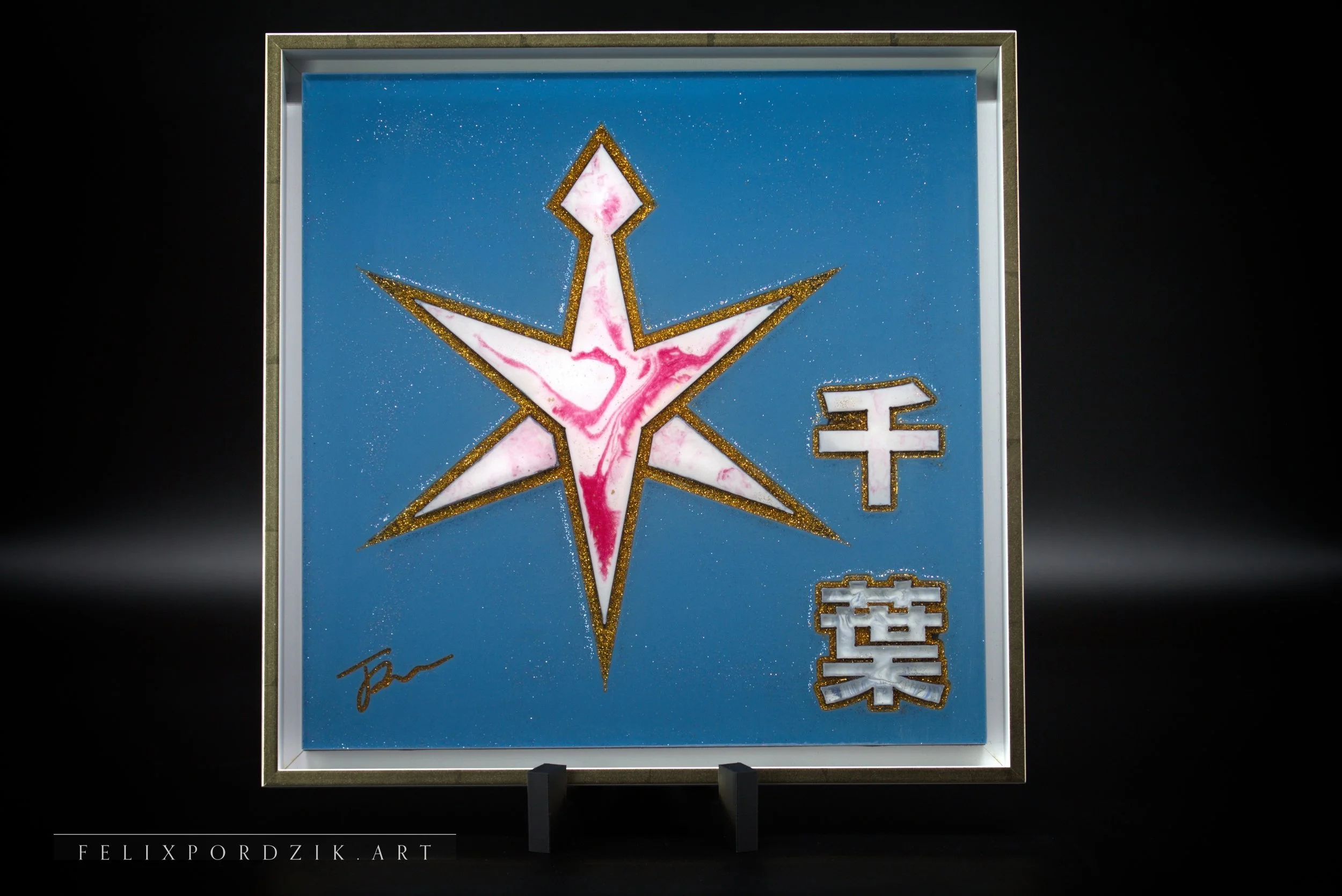
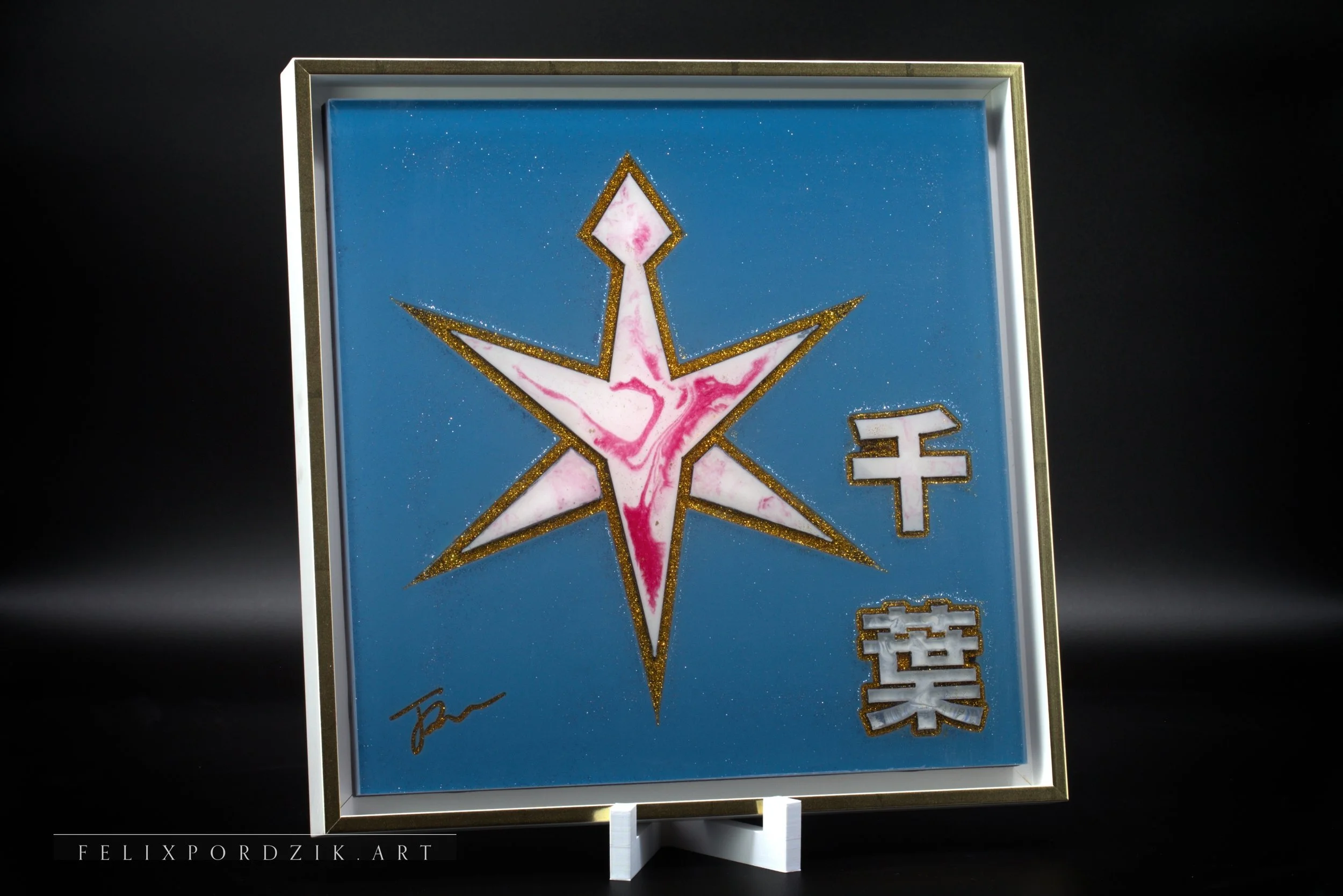
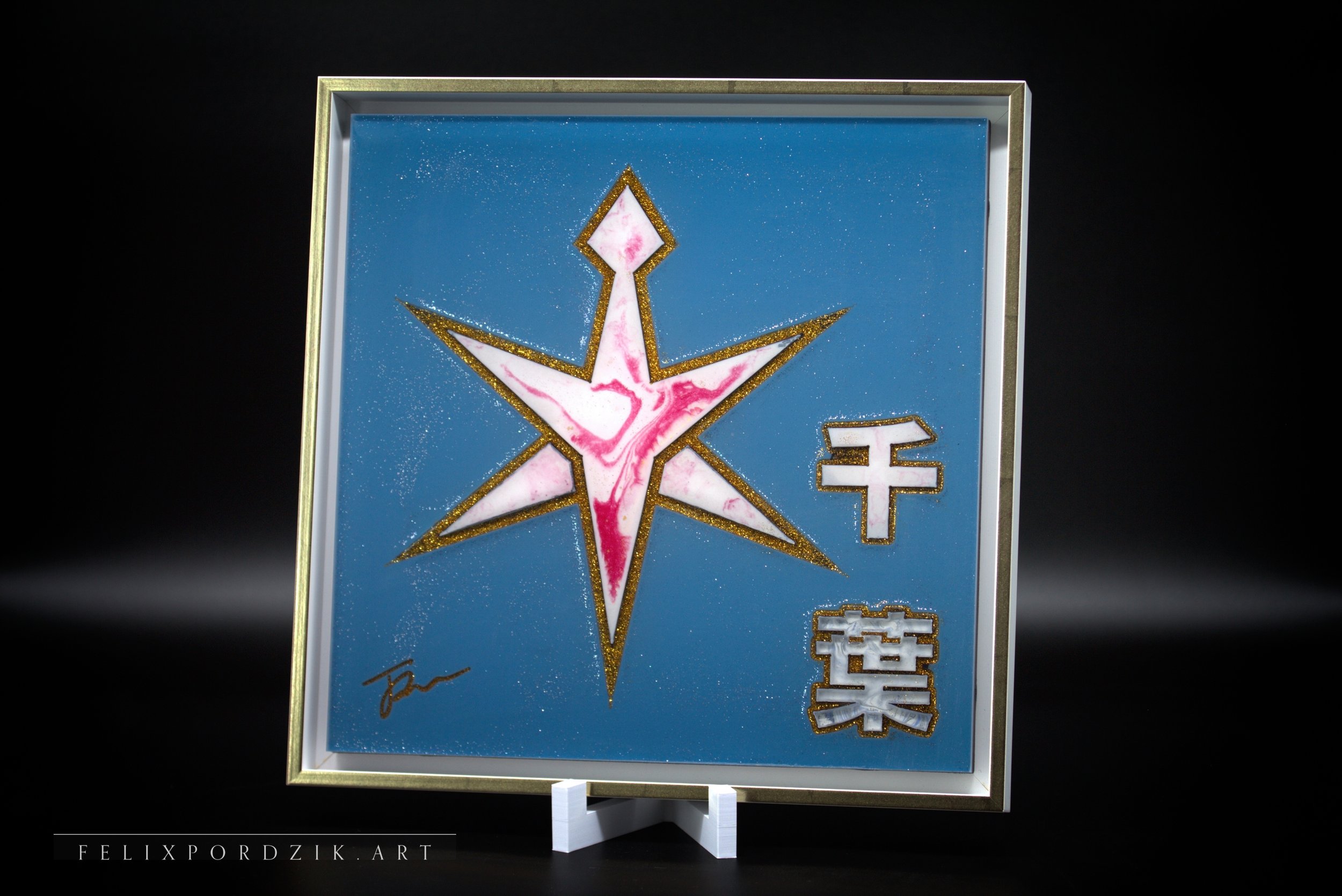
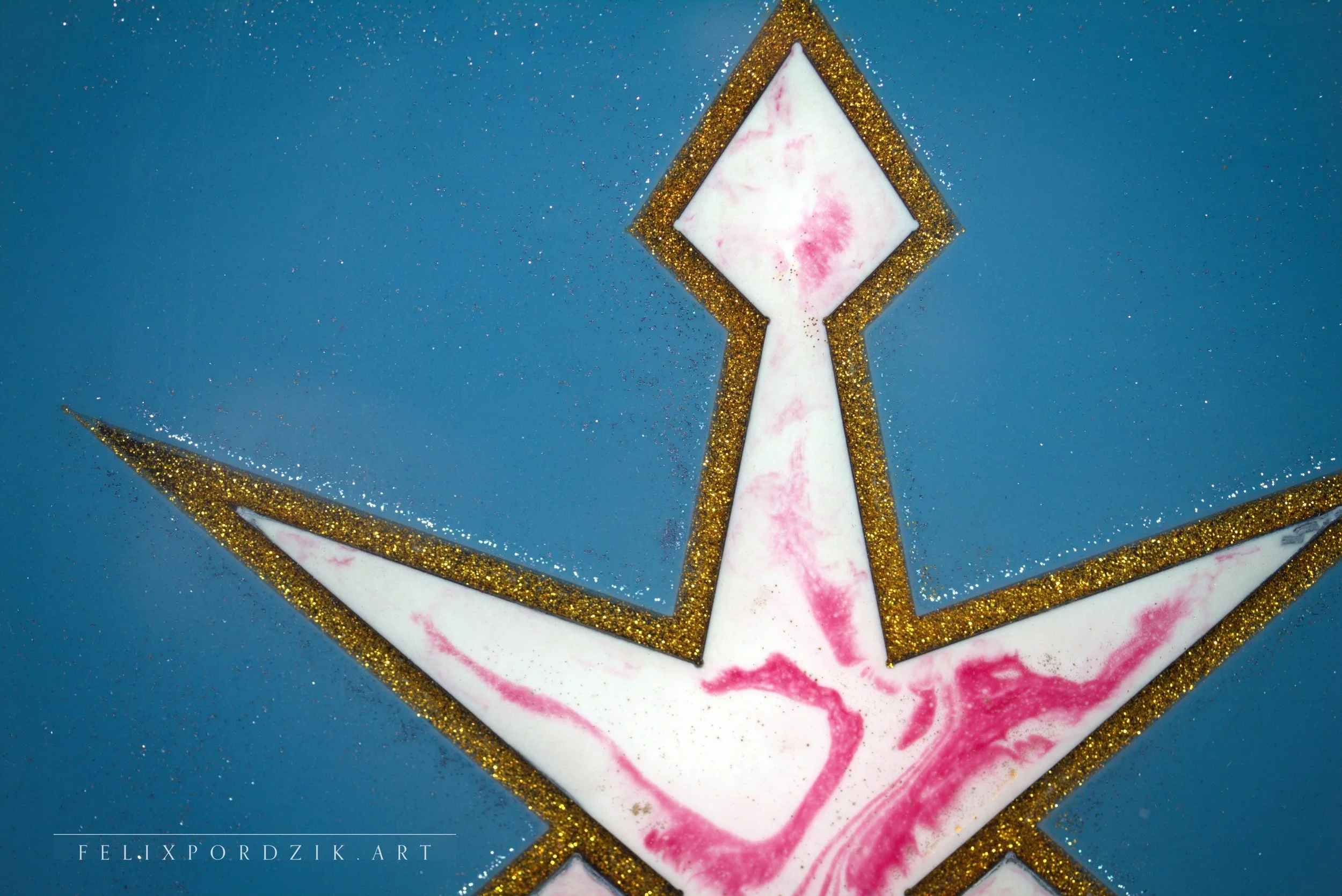
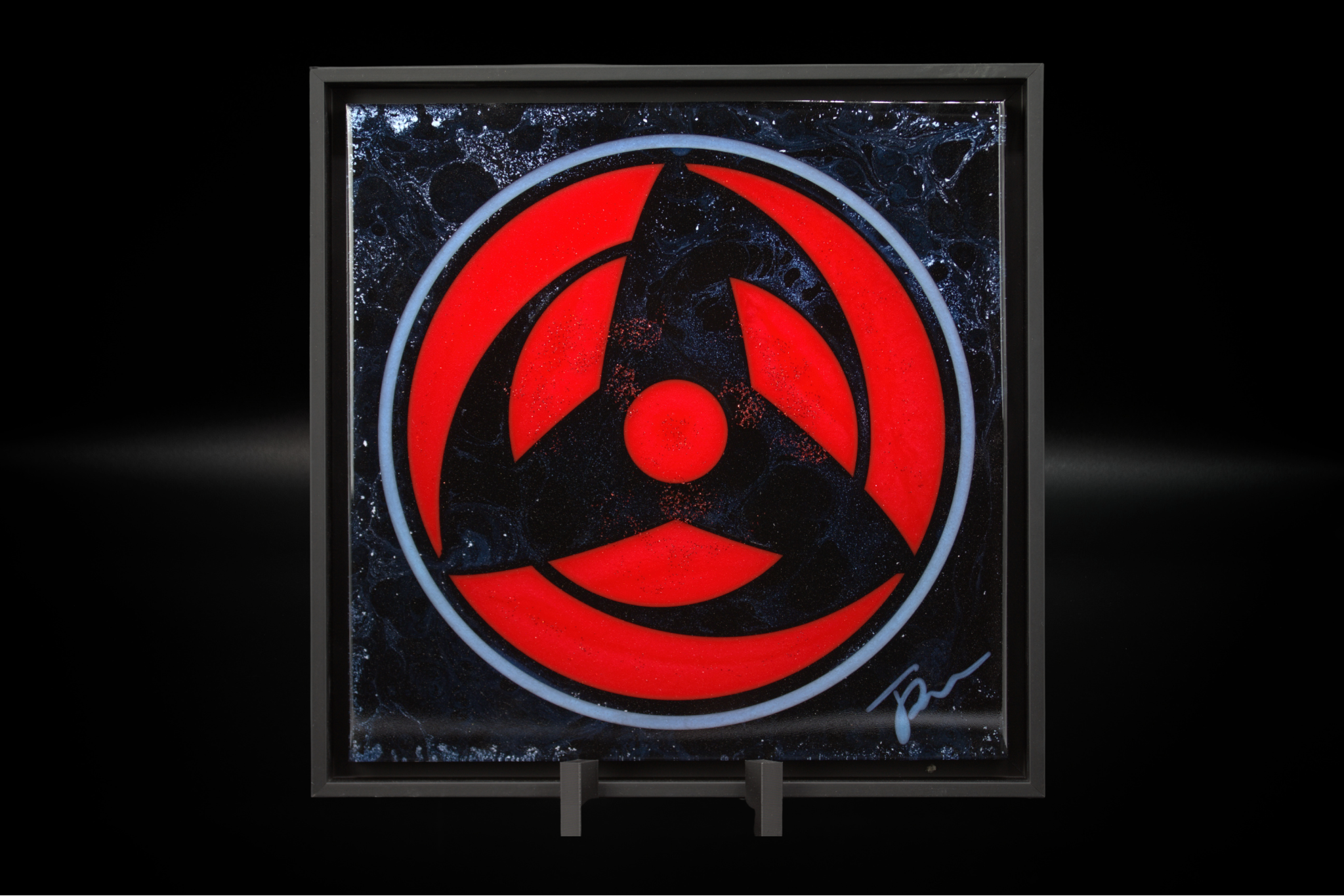
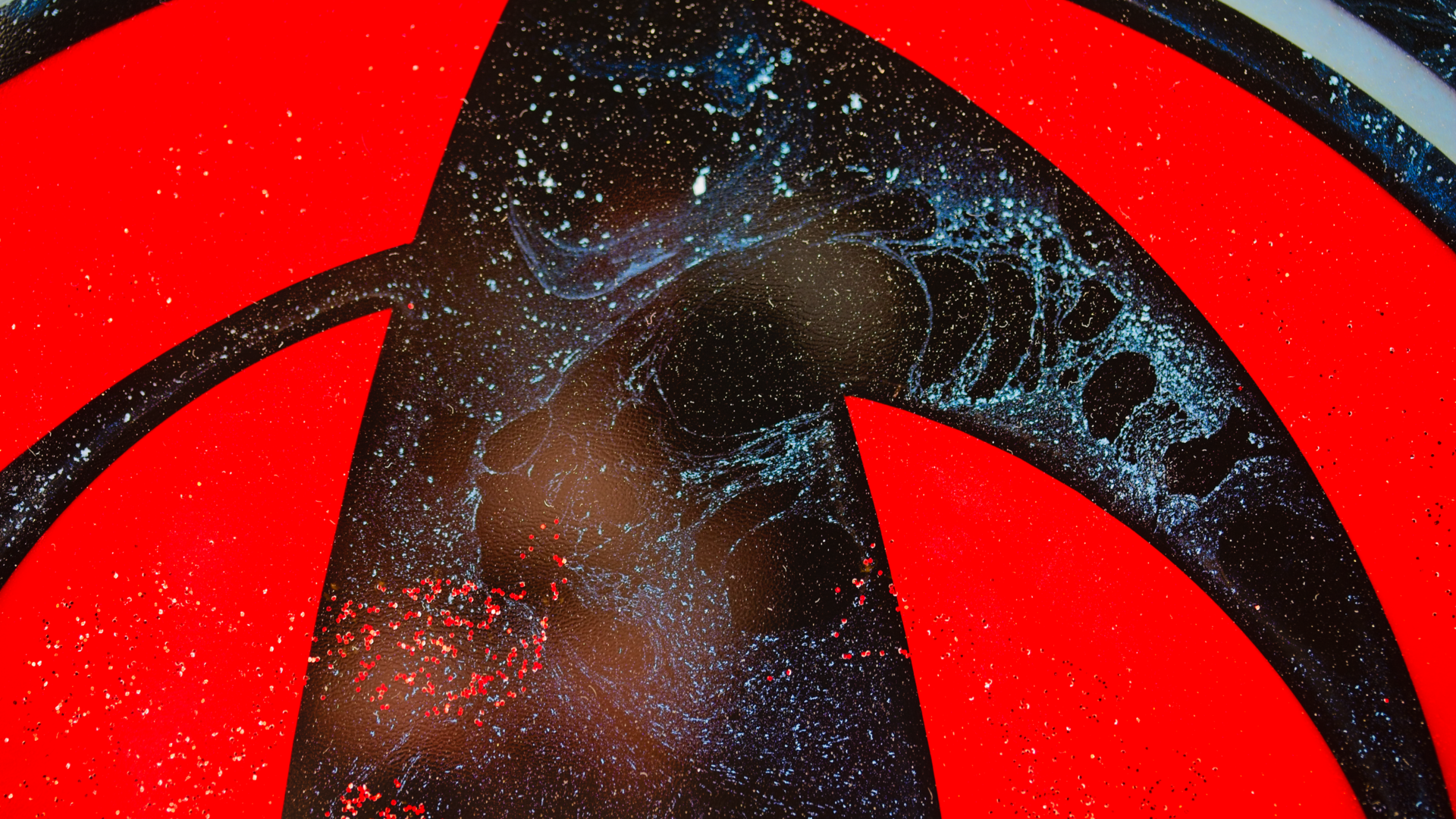
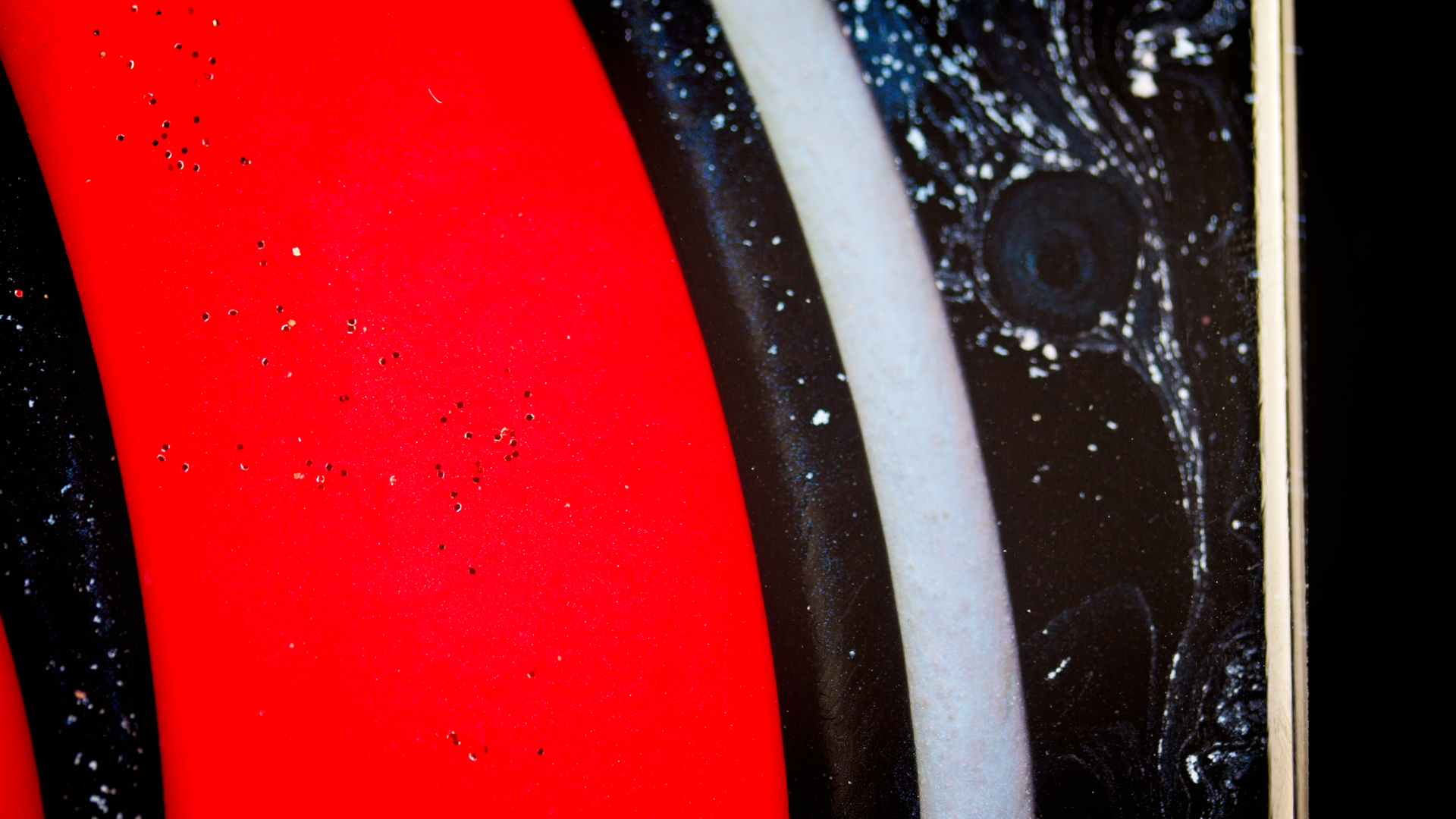
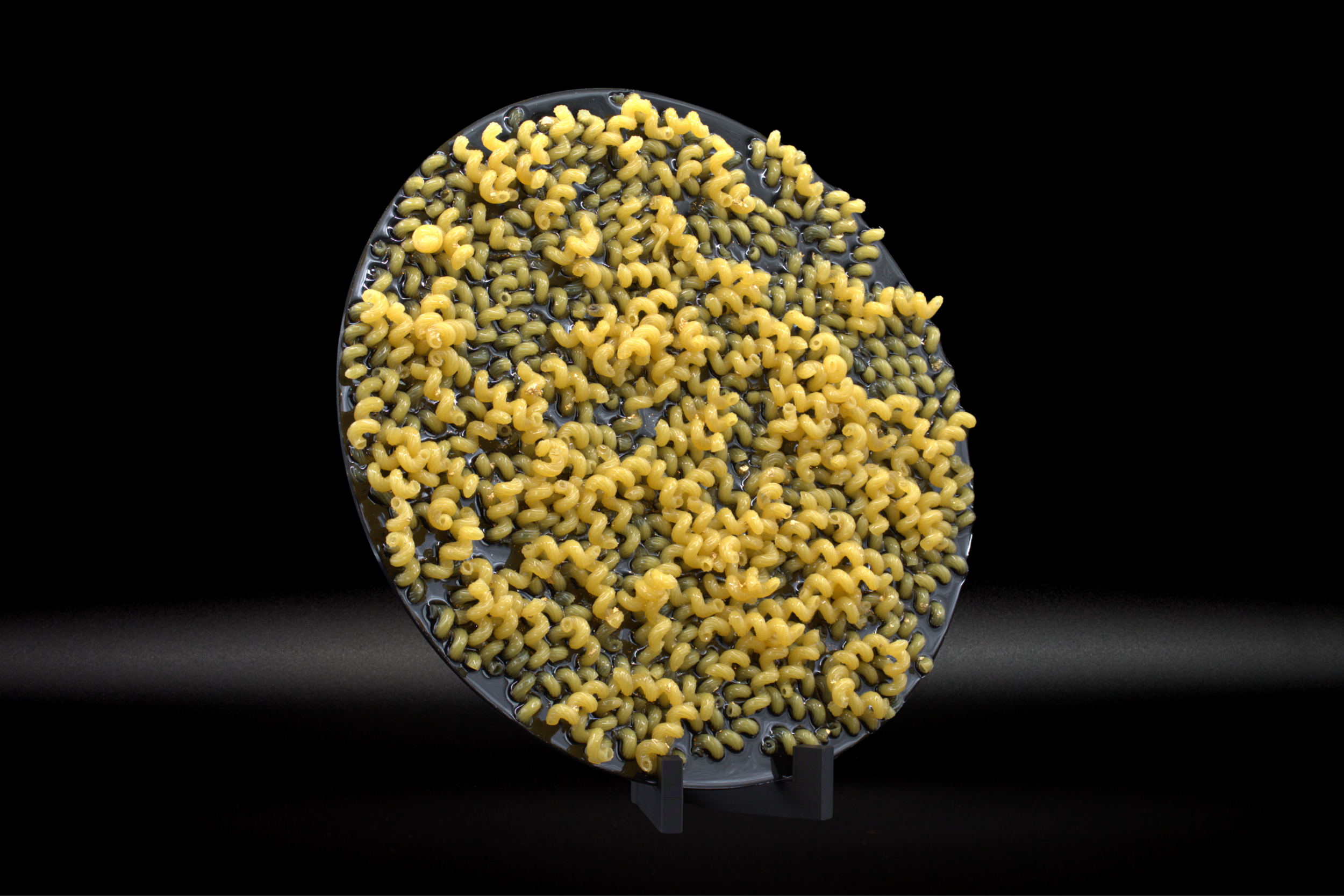
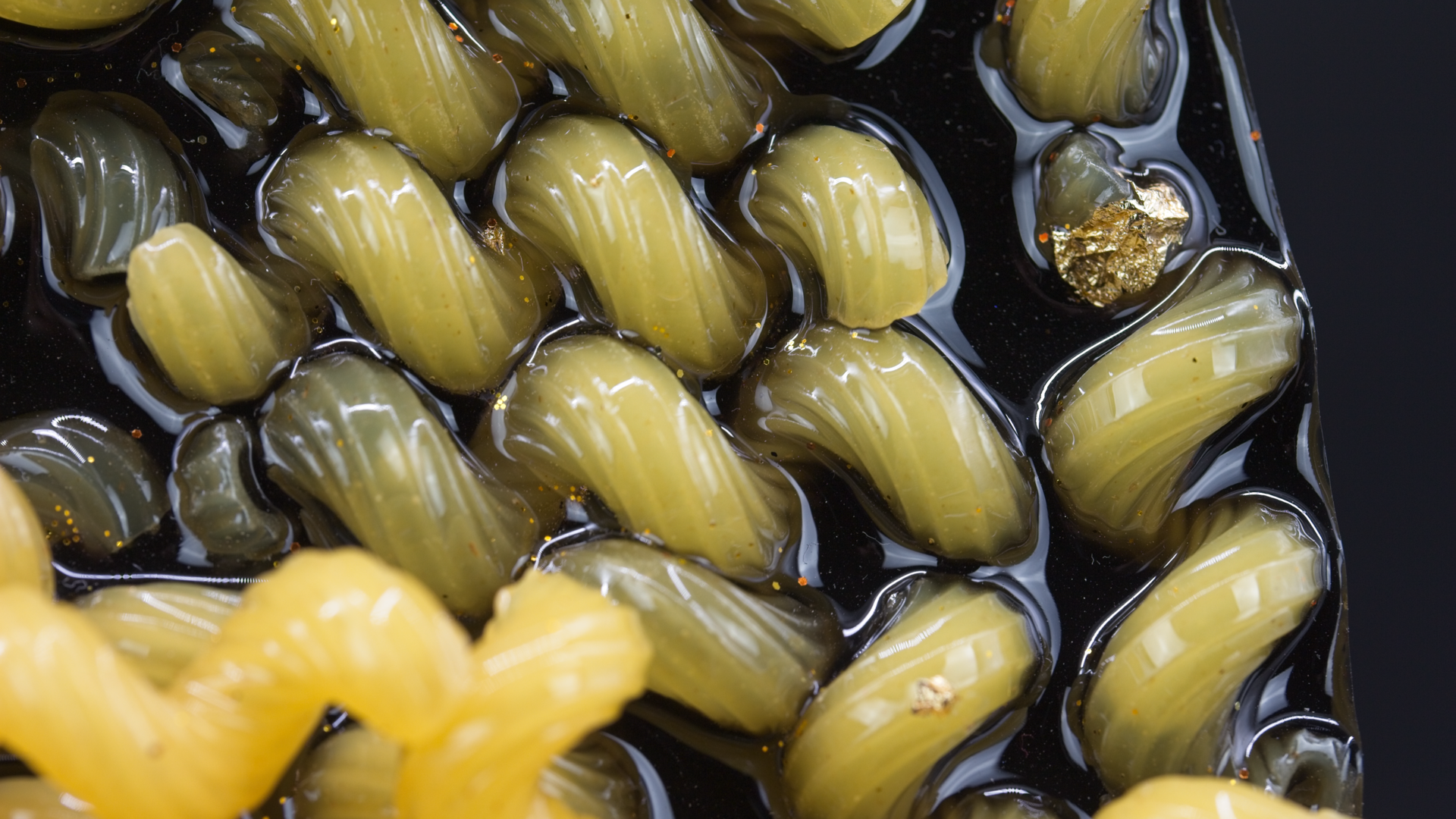
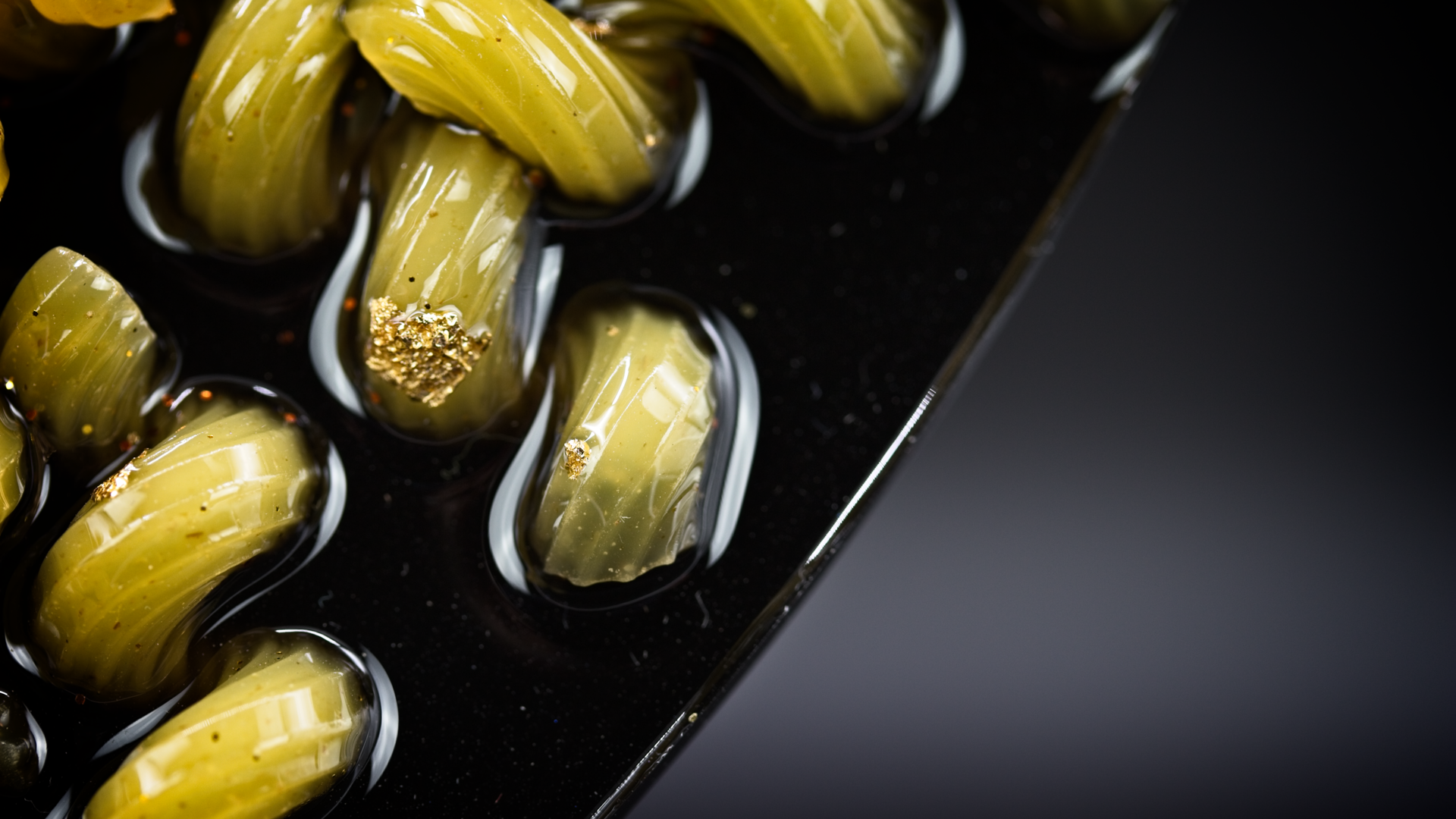
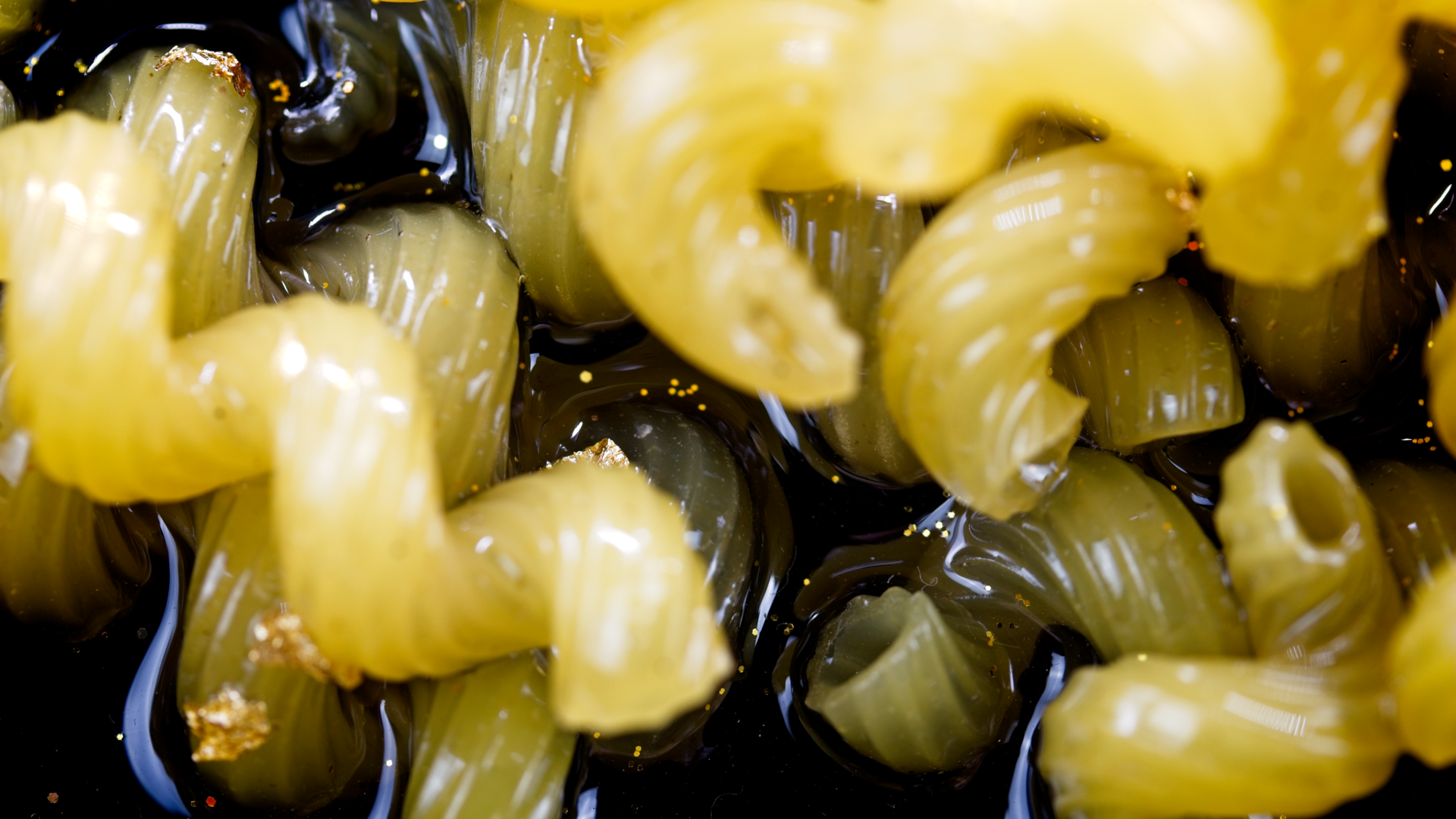
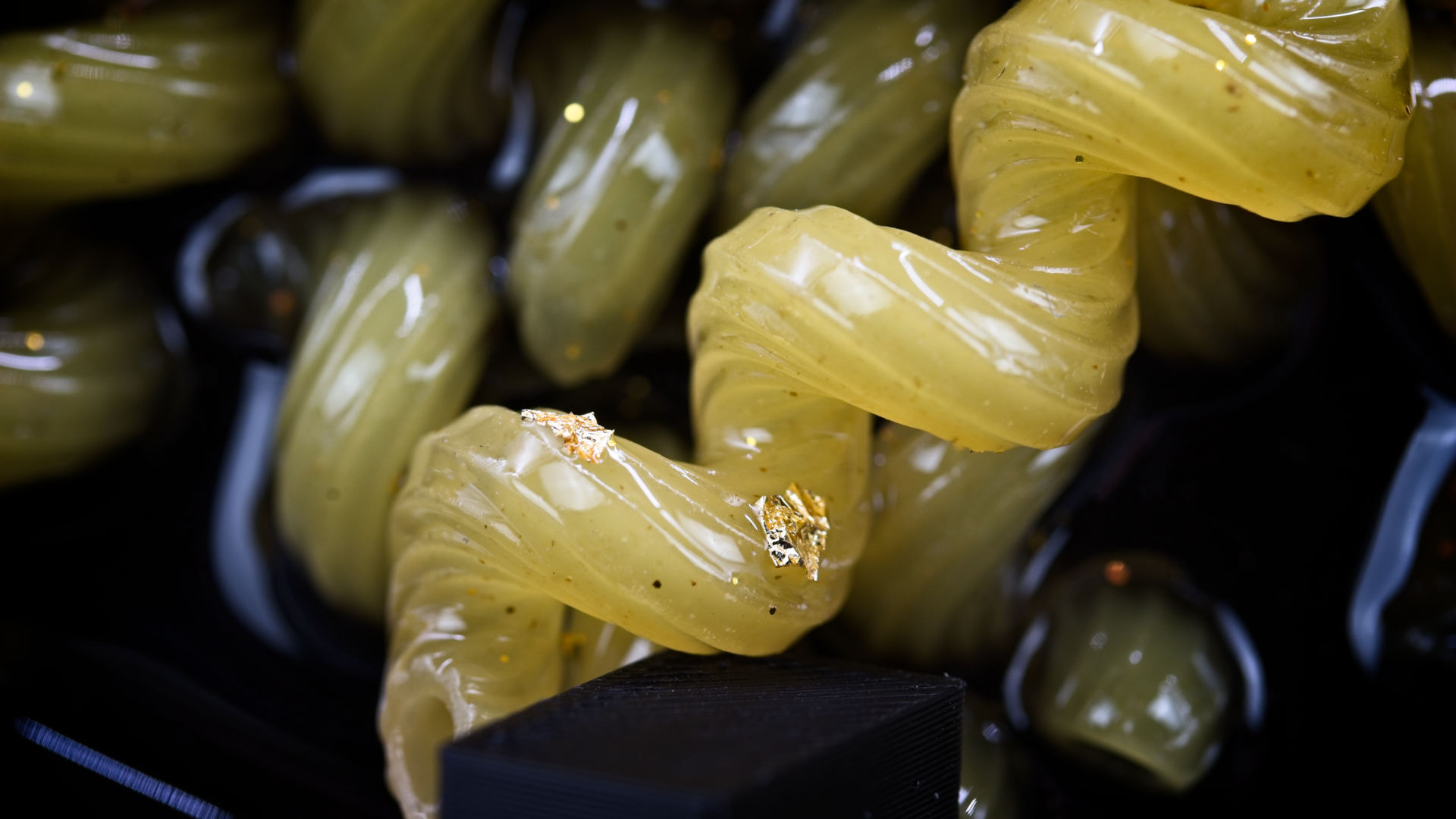
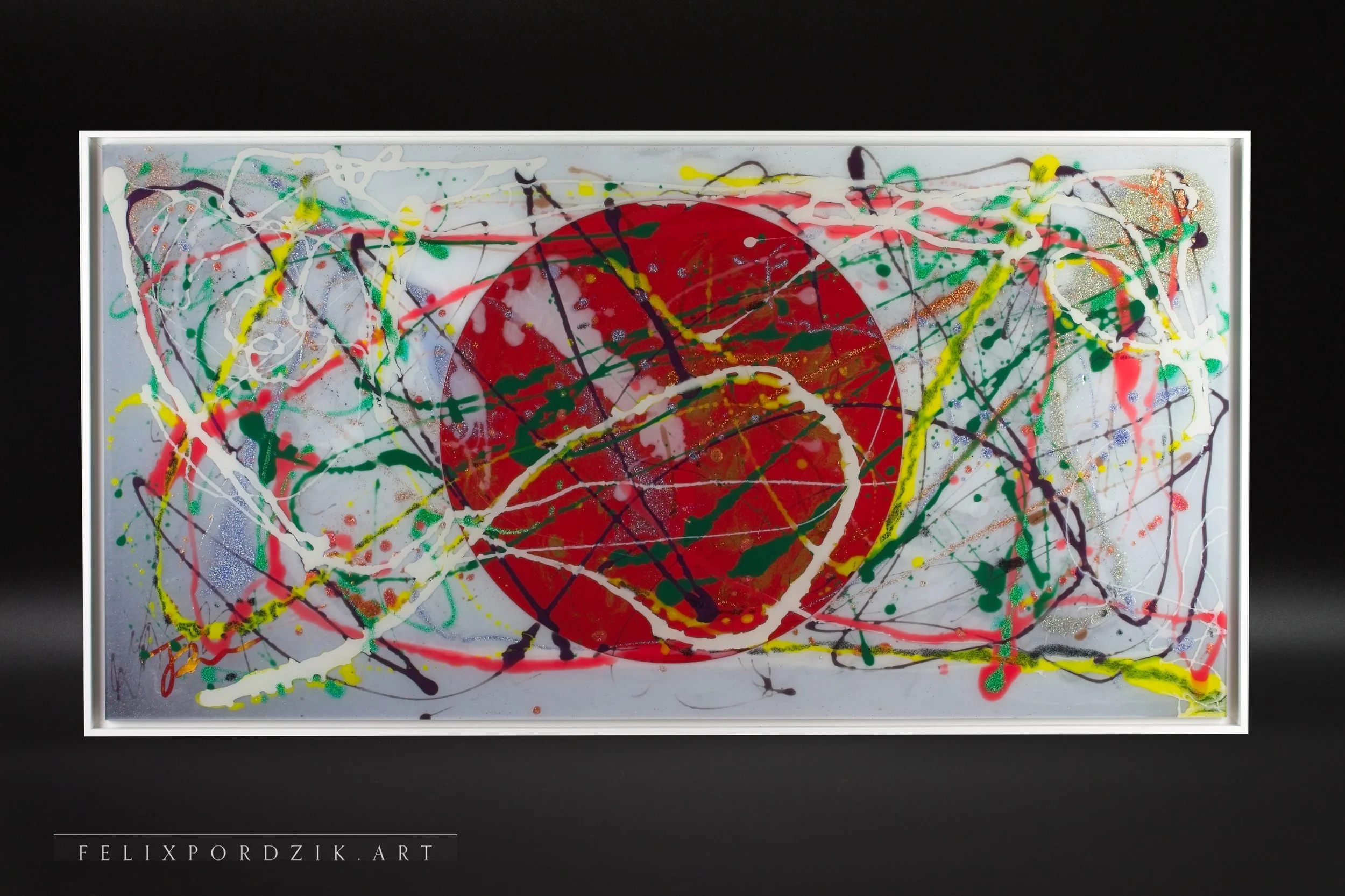
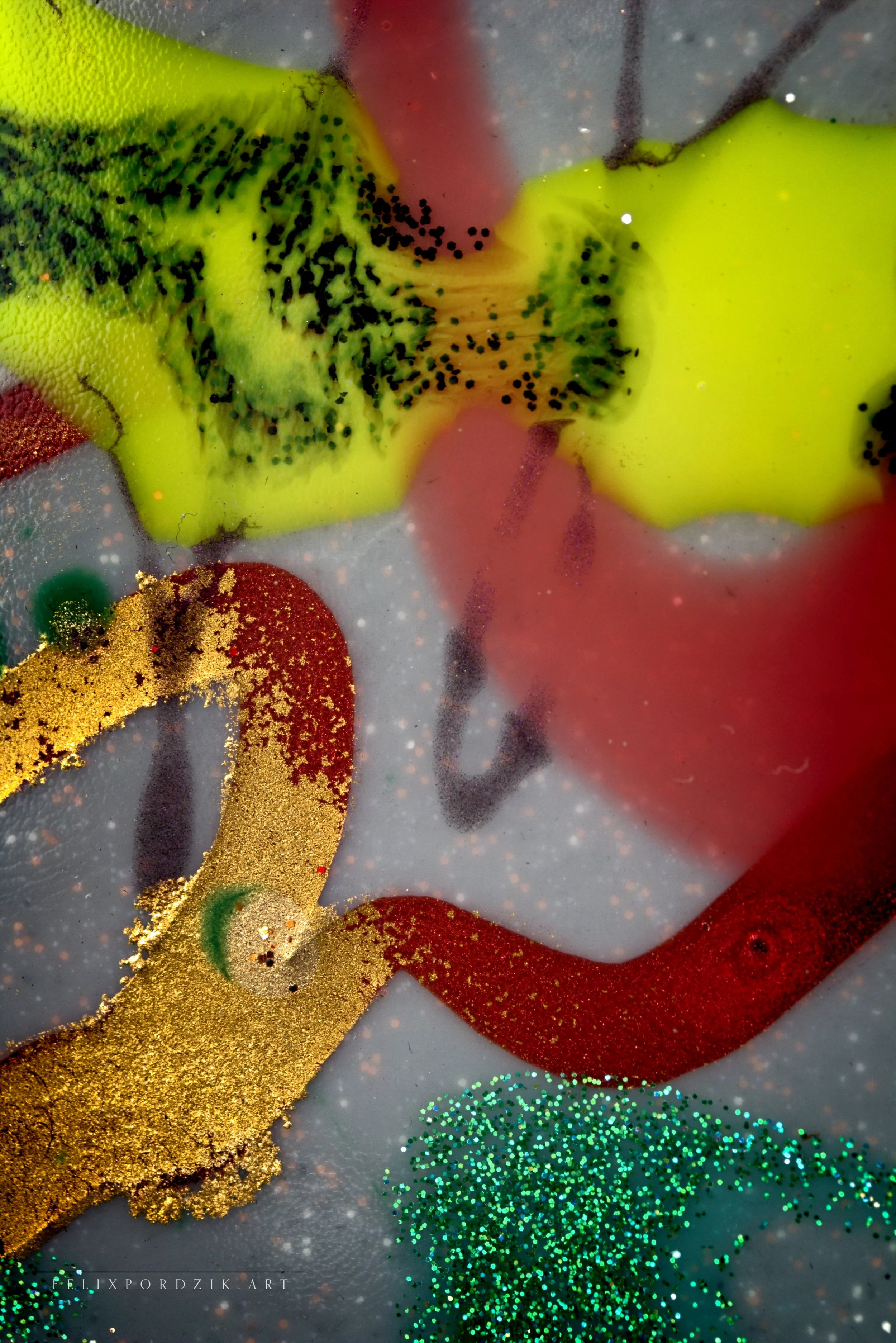
The artwork Japanese Lurch portrays the Andrias japonicus, the Japanese giant salamander, in a life-sized interpretation that bridges sculpture and painting. The entire silhouette of the animal was precisely carved into the surface, after which every detail was carefully filled by hand with layers of differently pigmented epoxy resin.
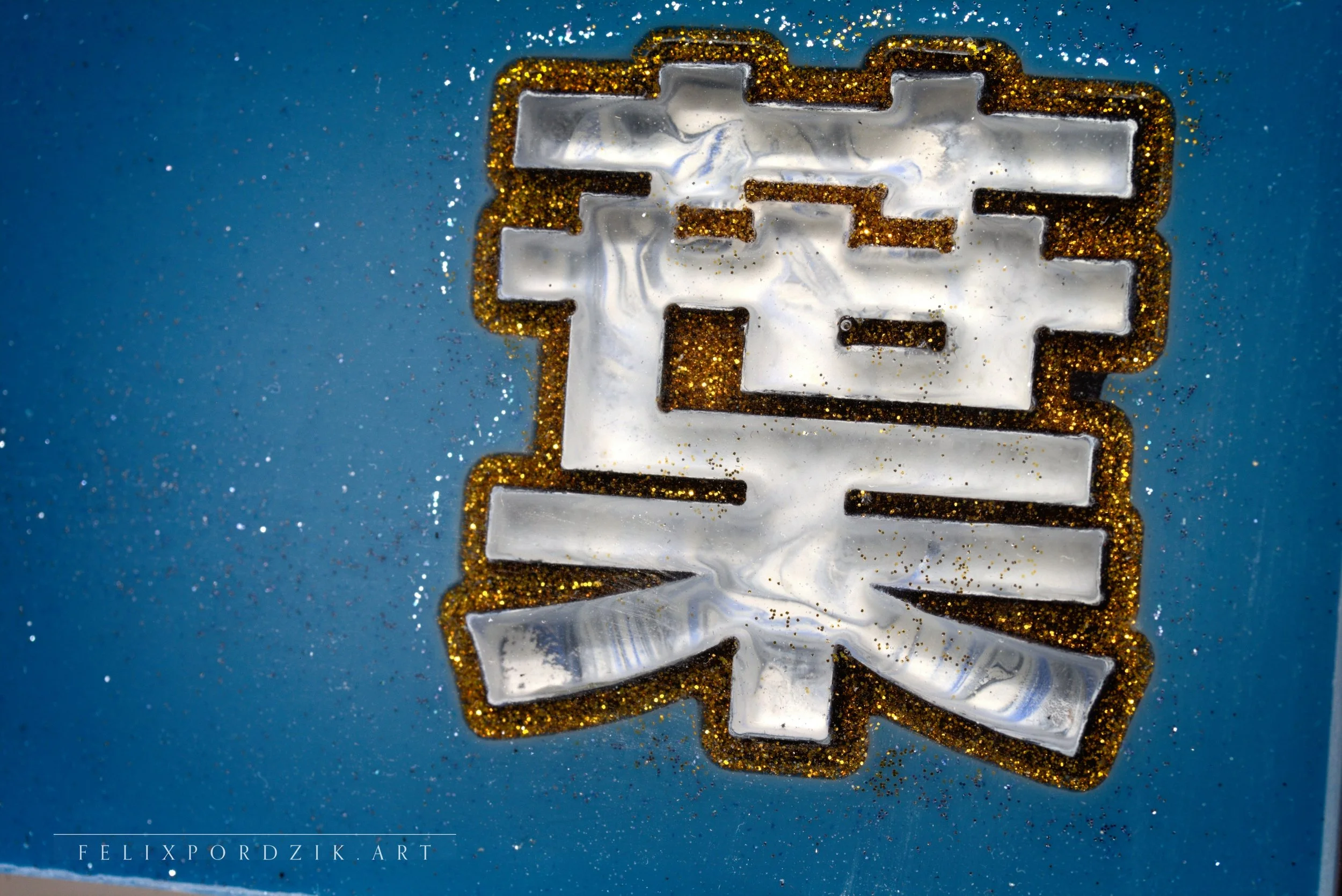
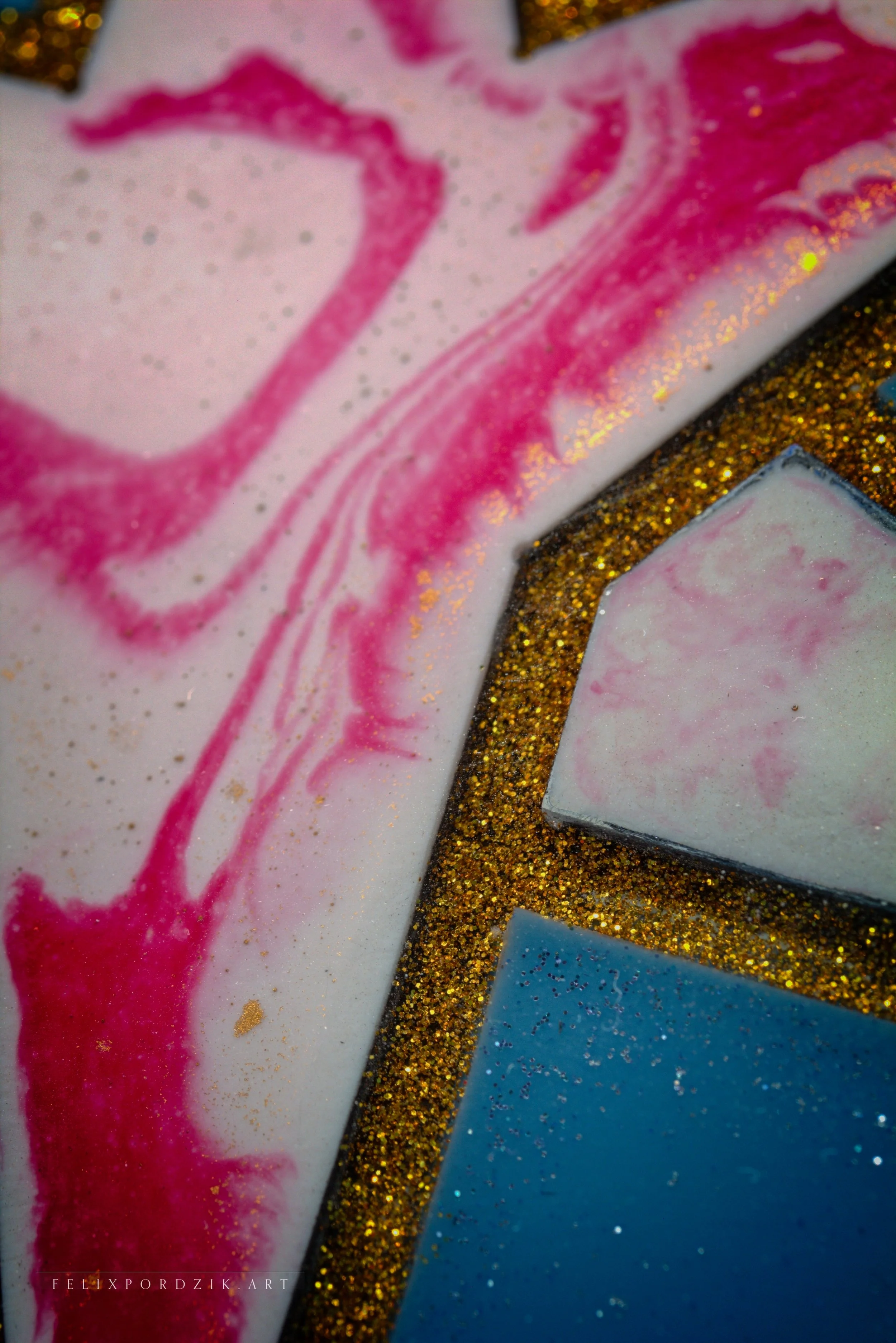
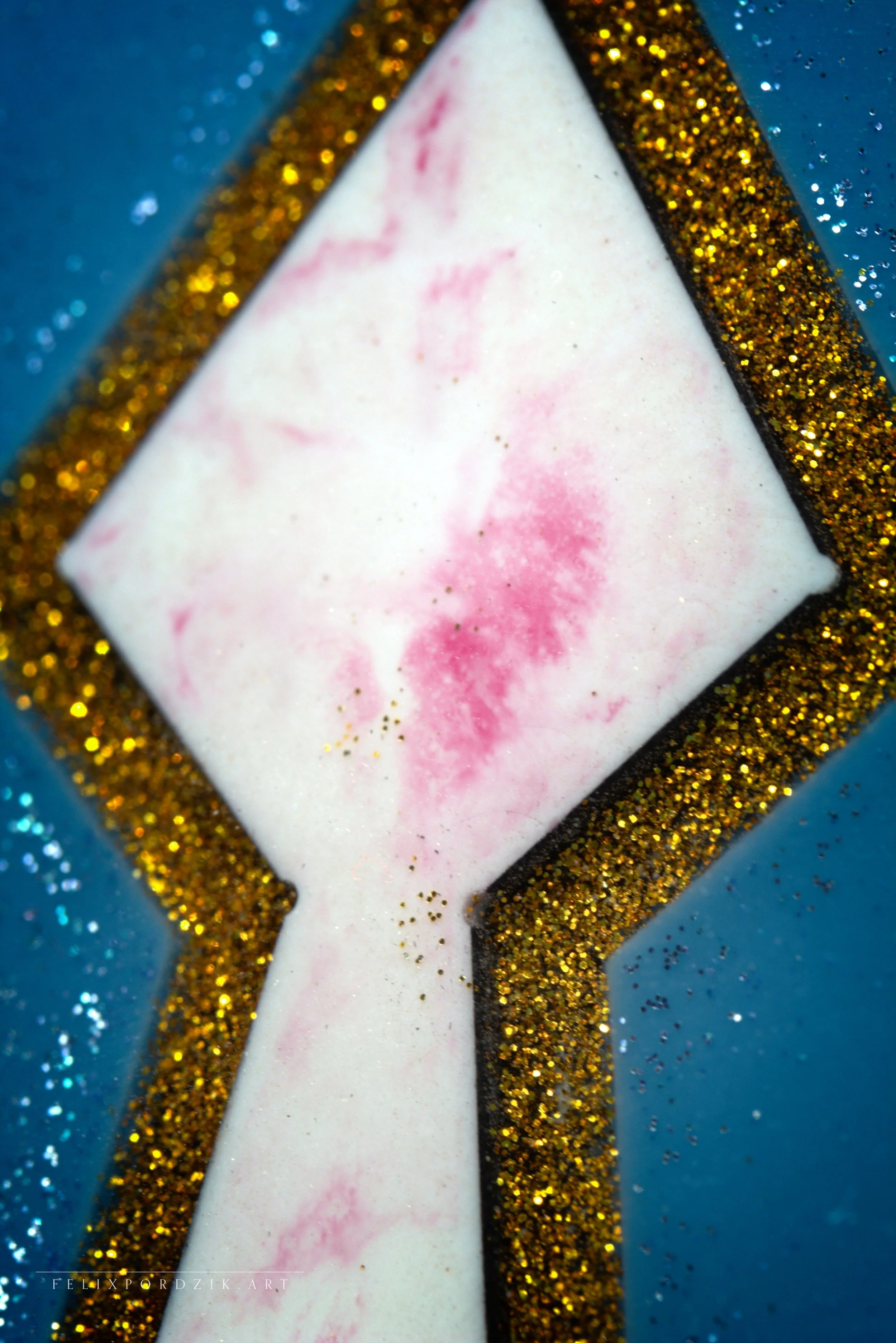
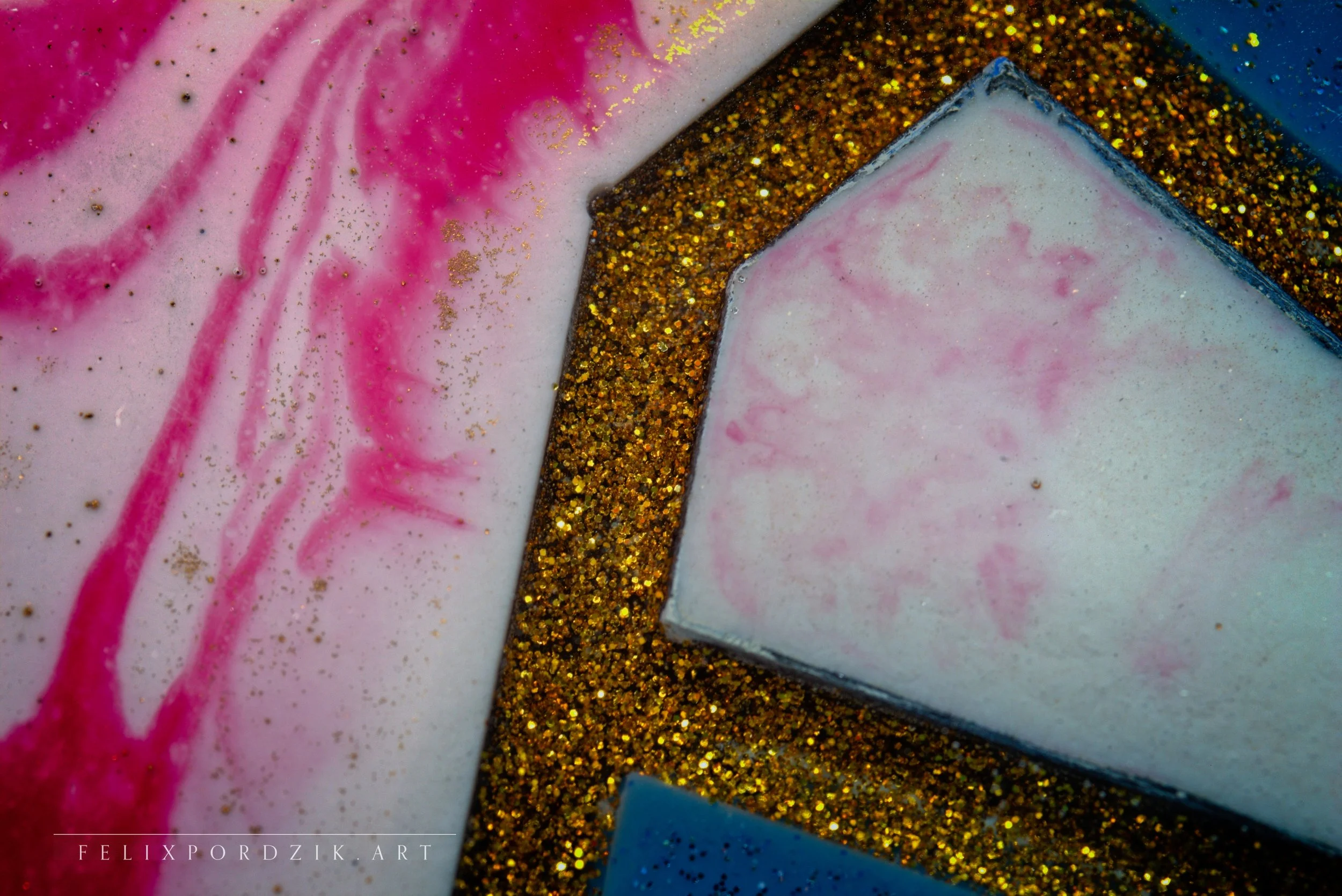
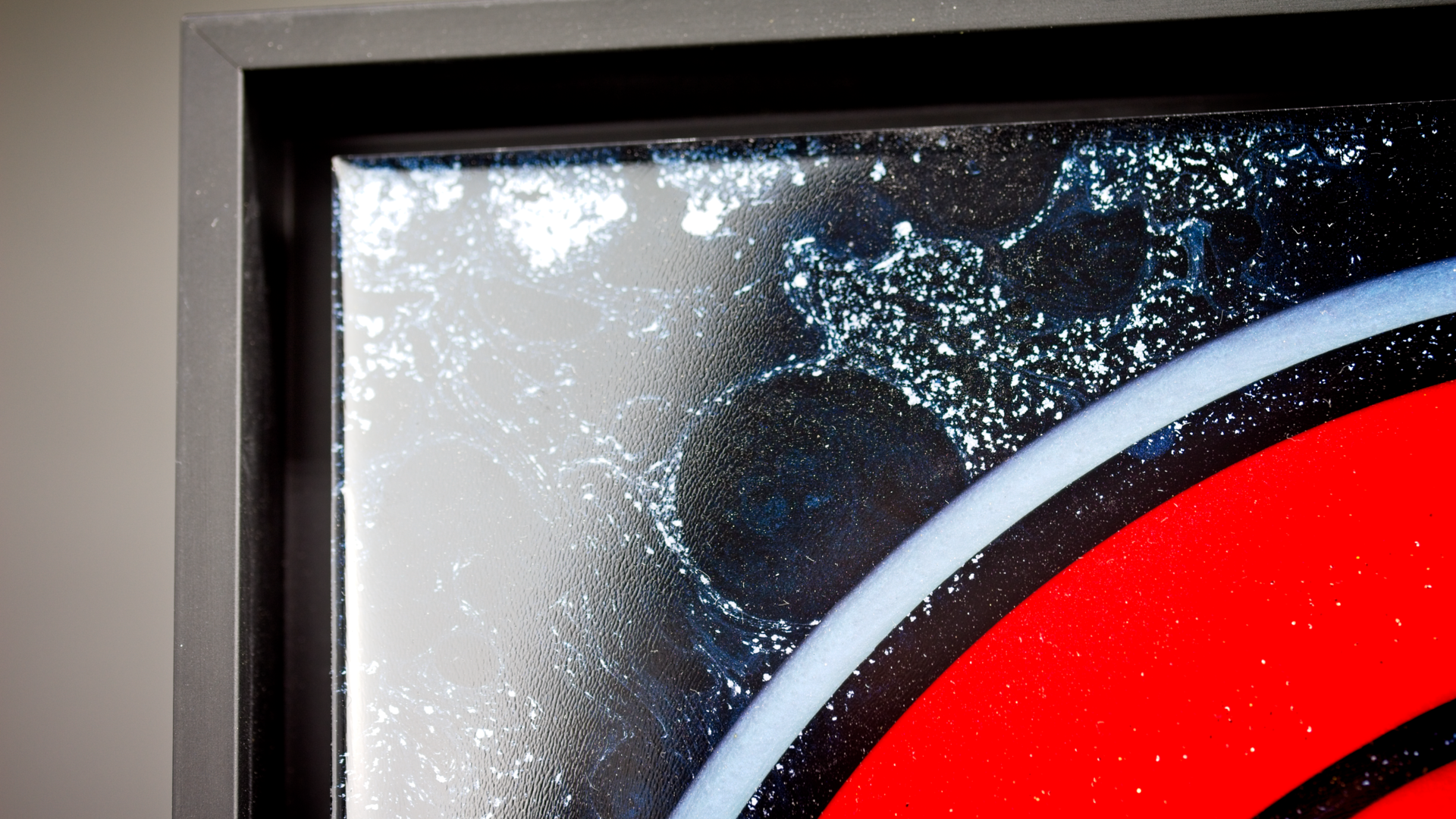
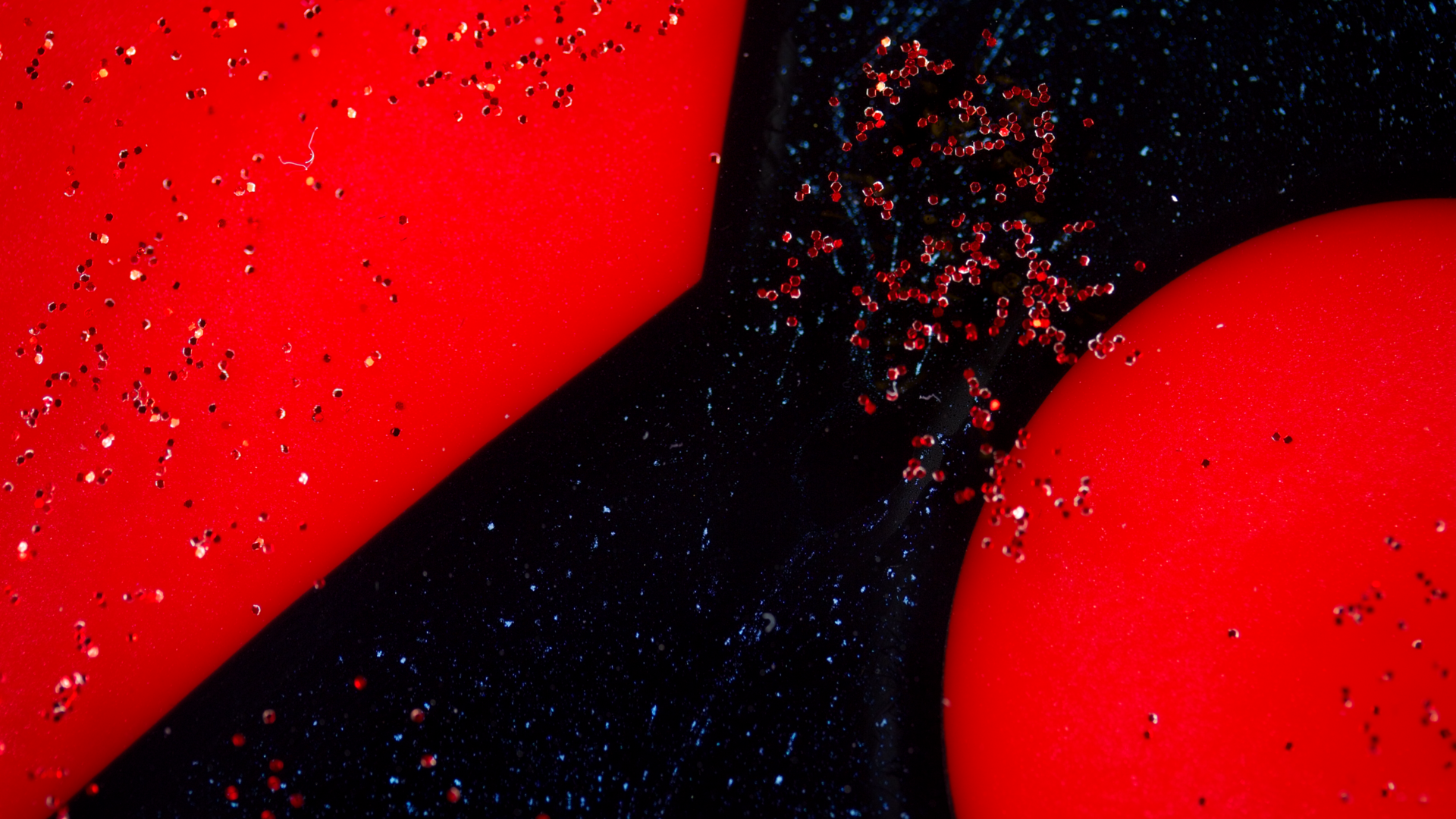
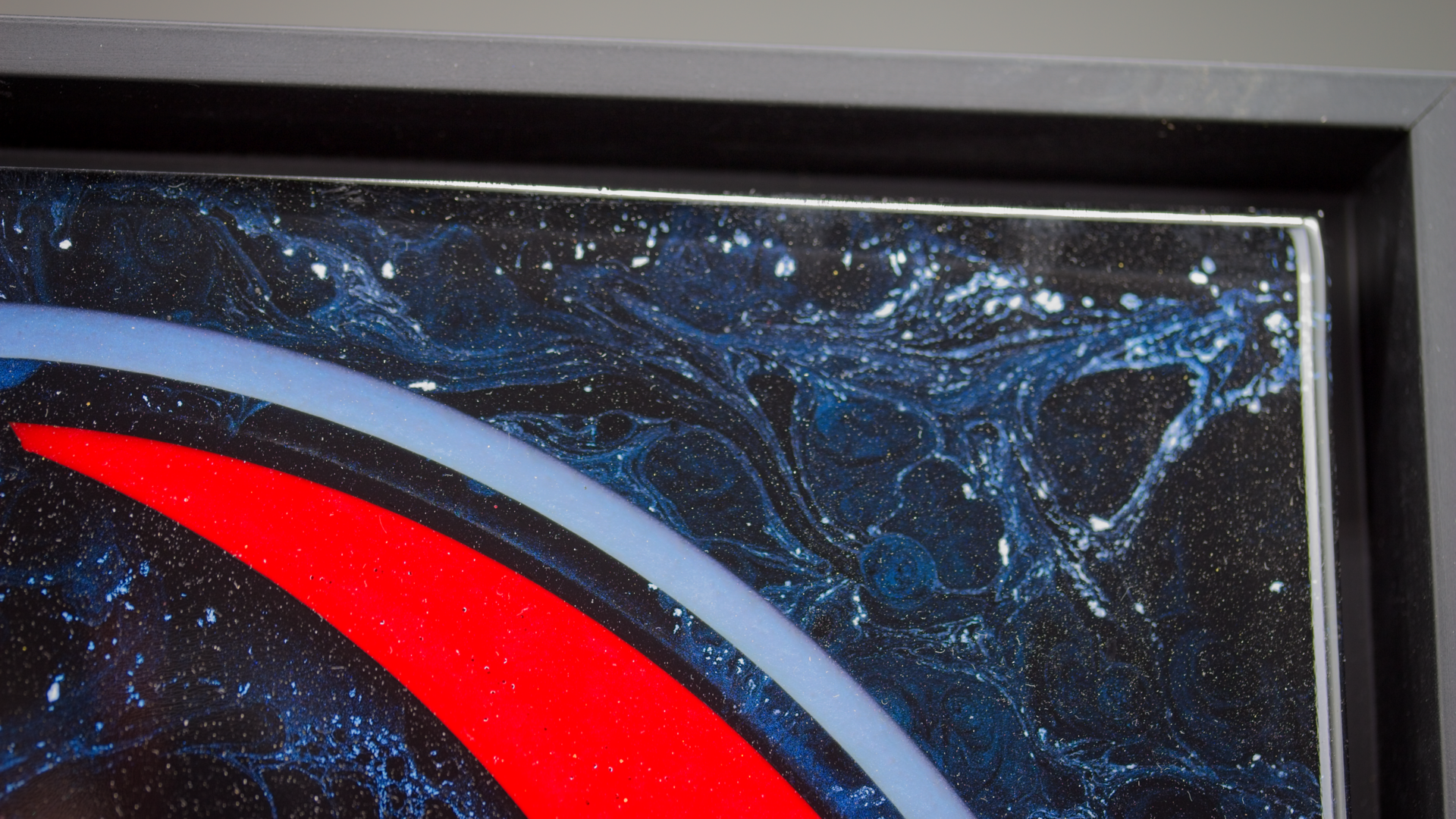
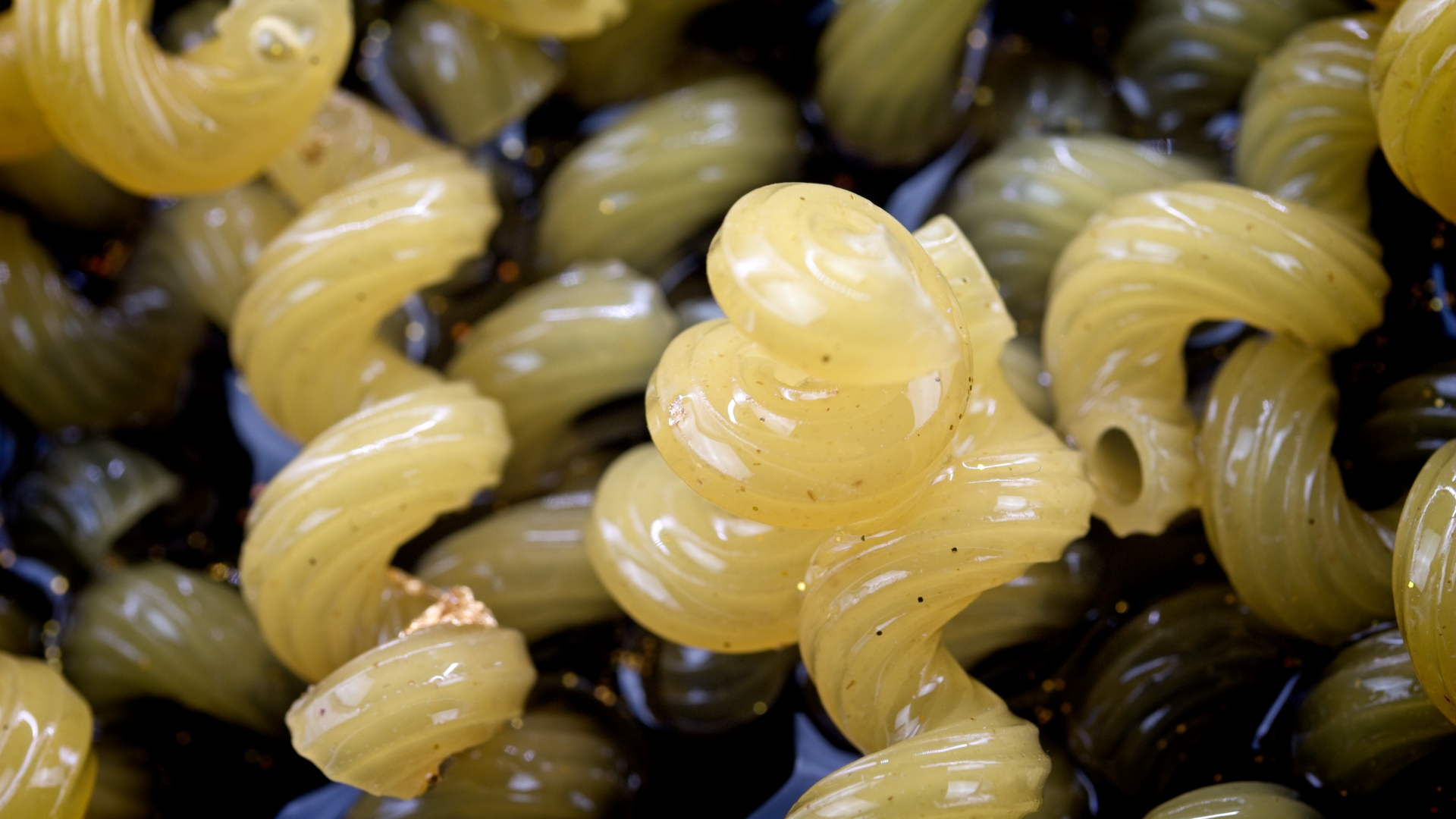
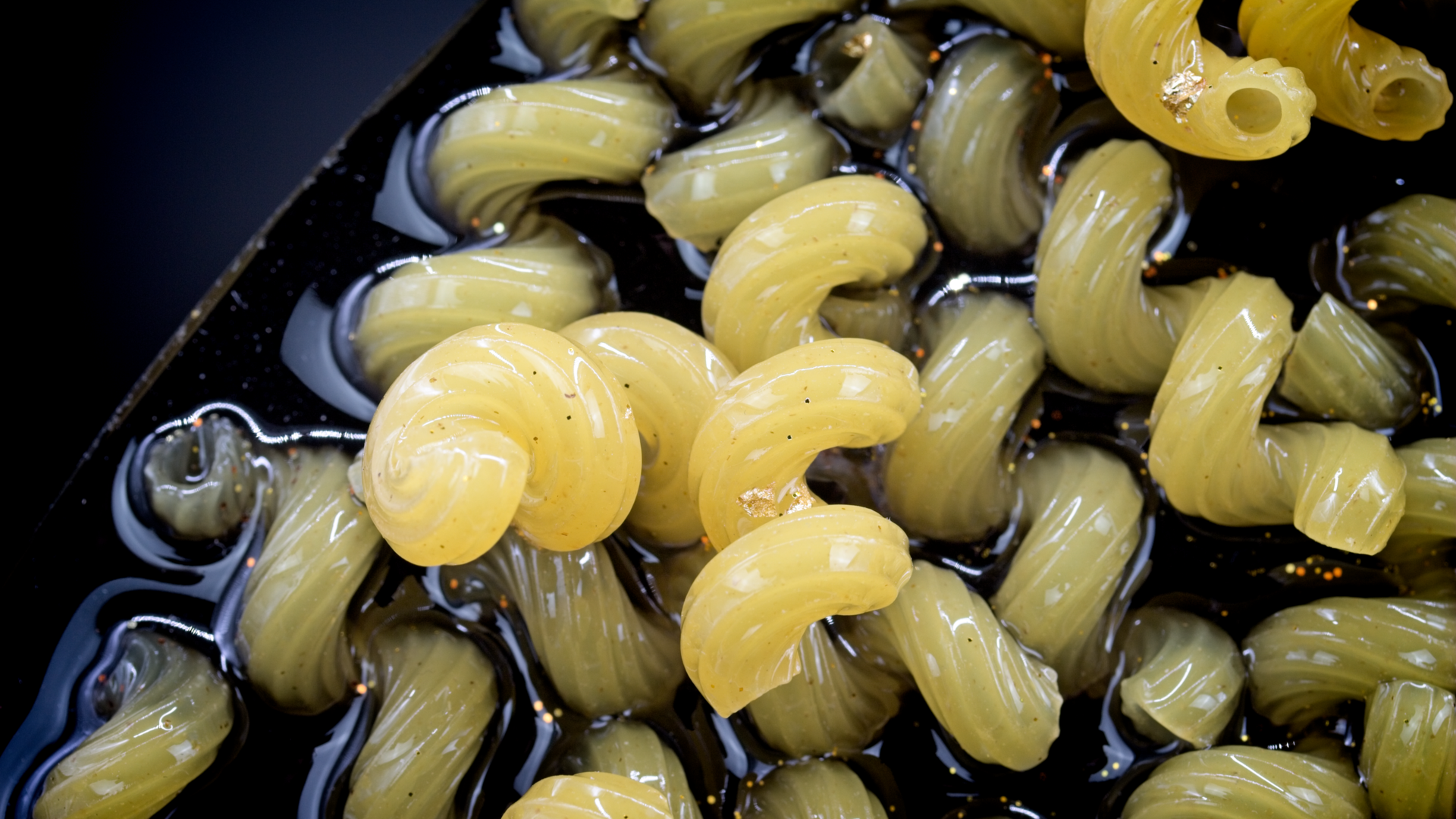
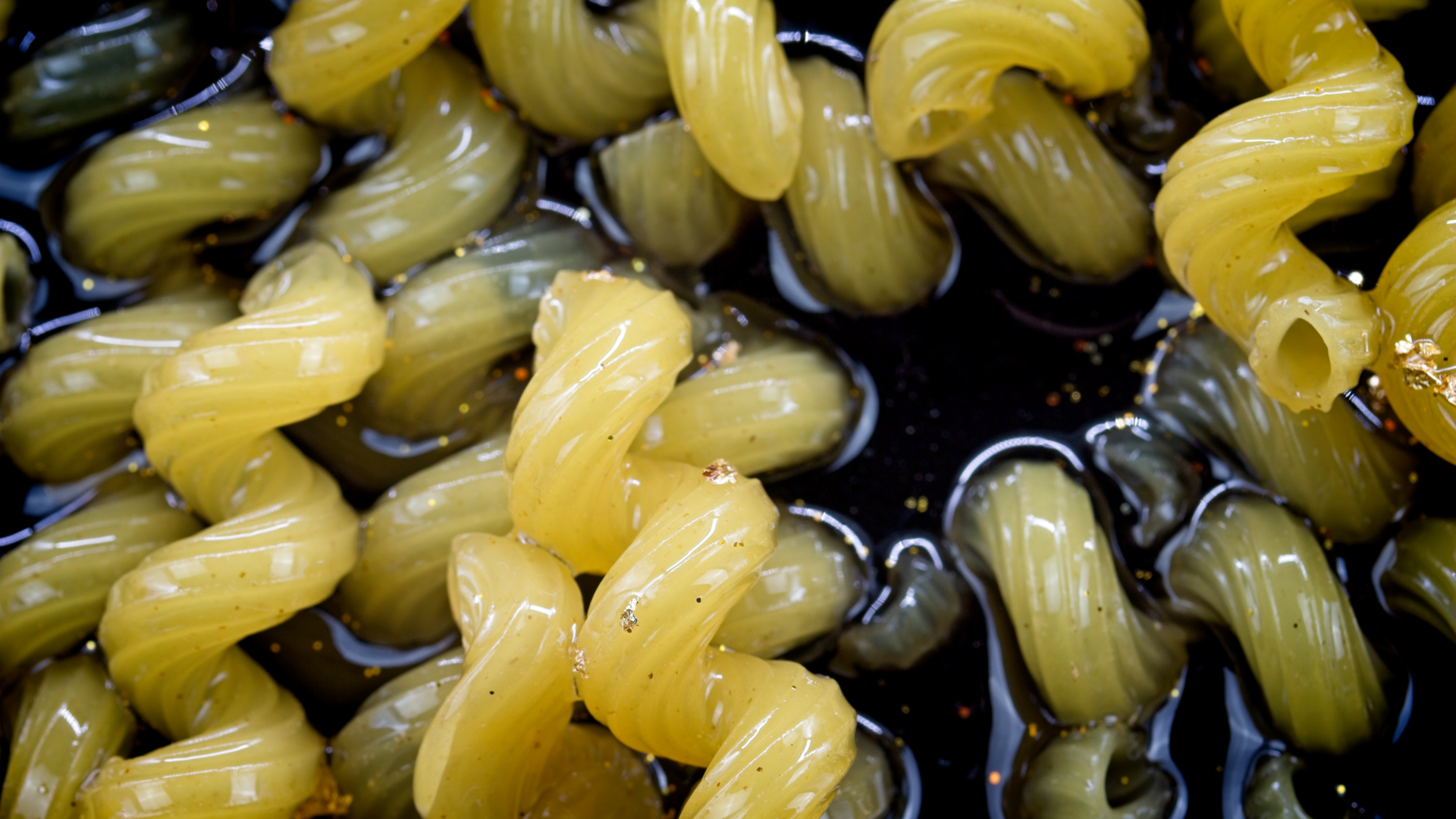
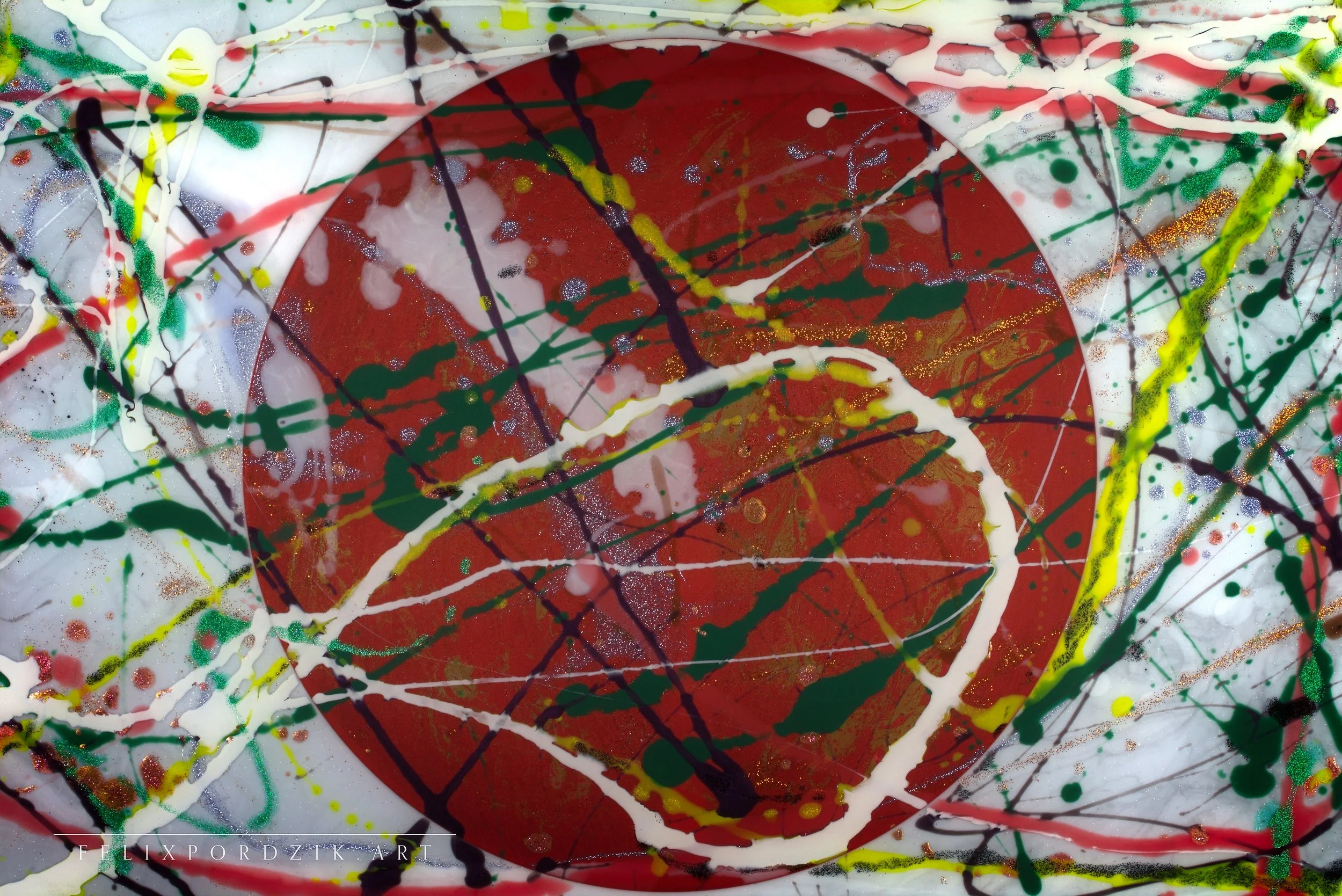
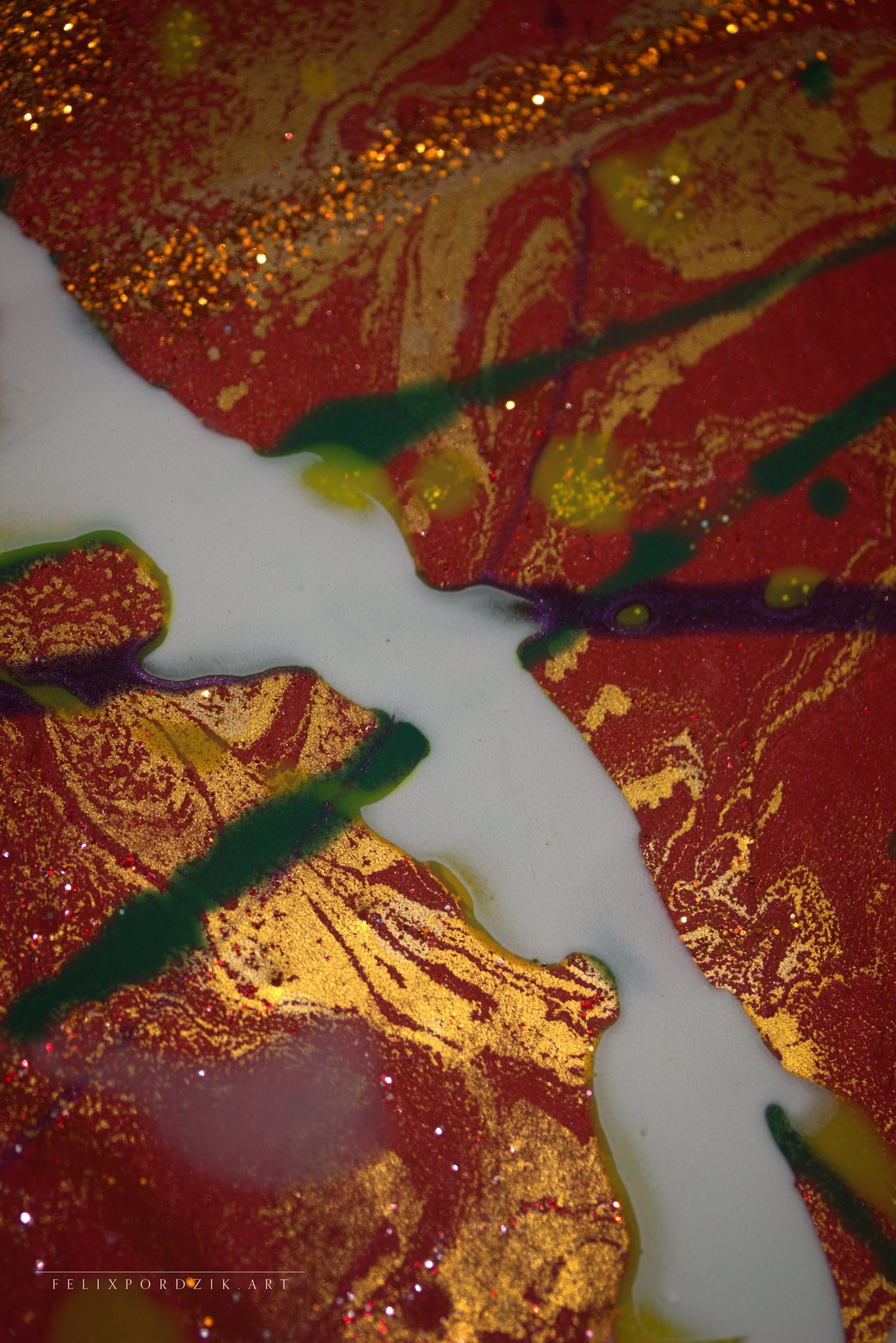
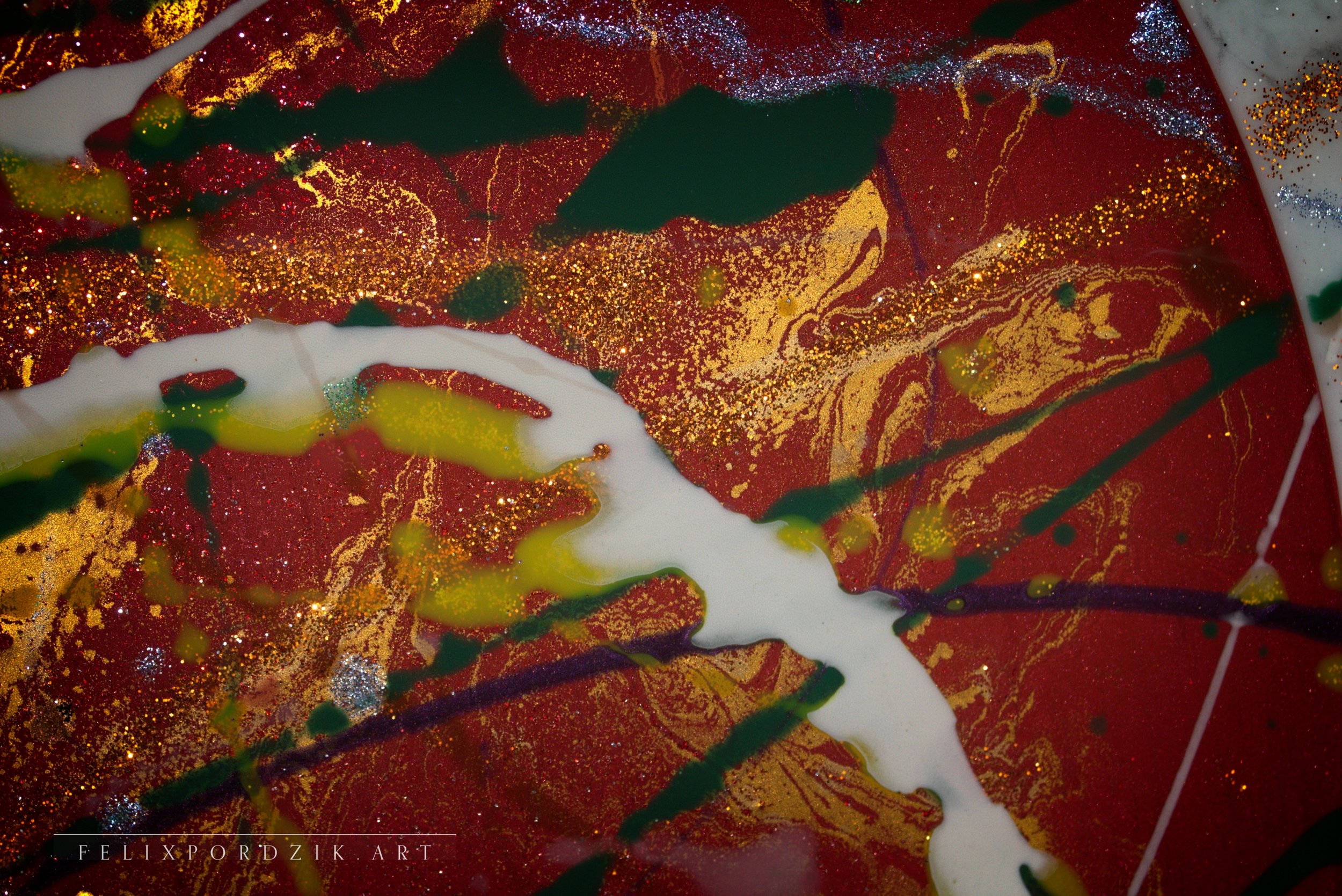
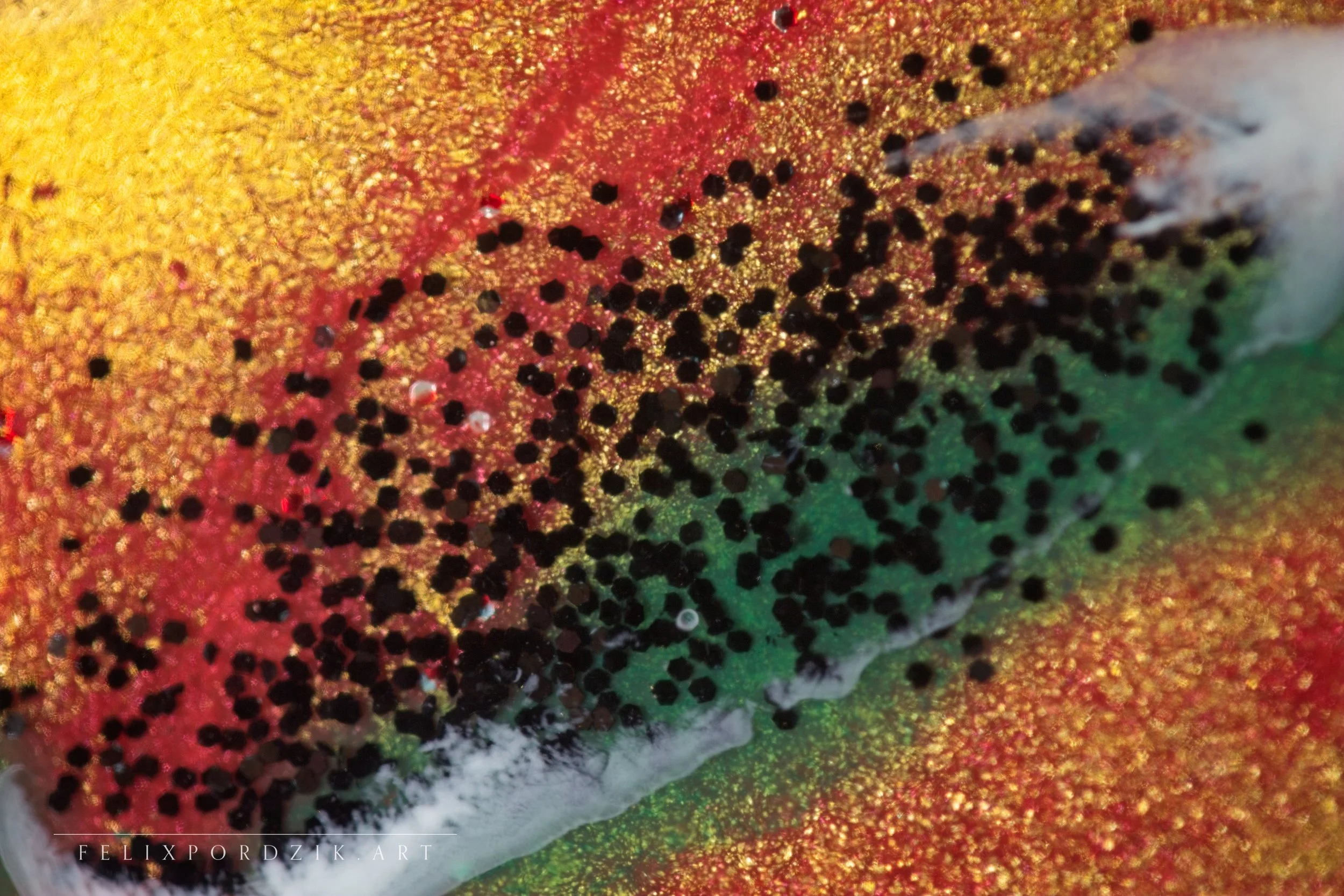
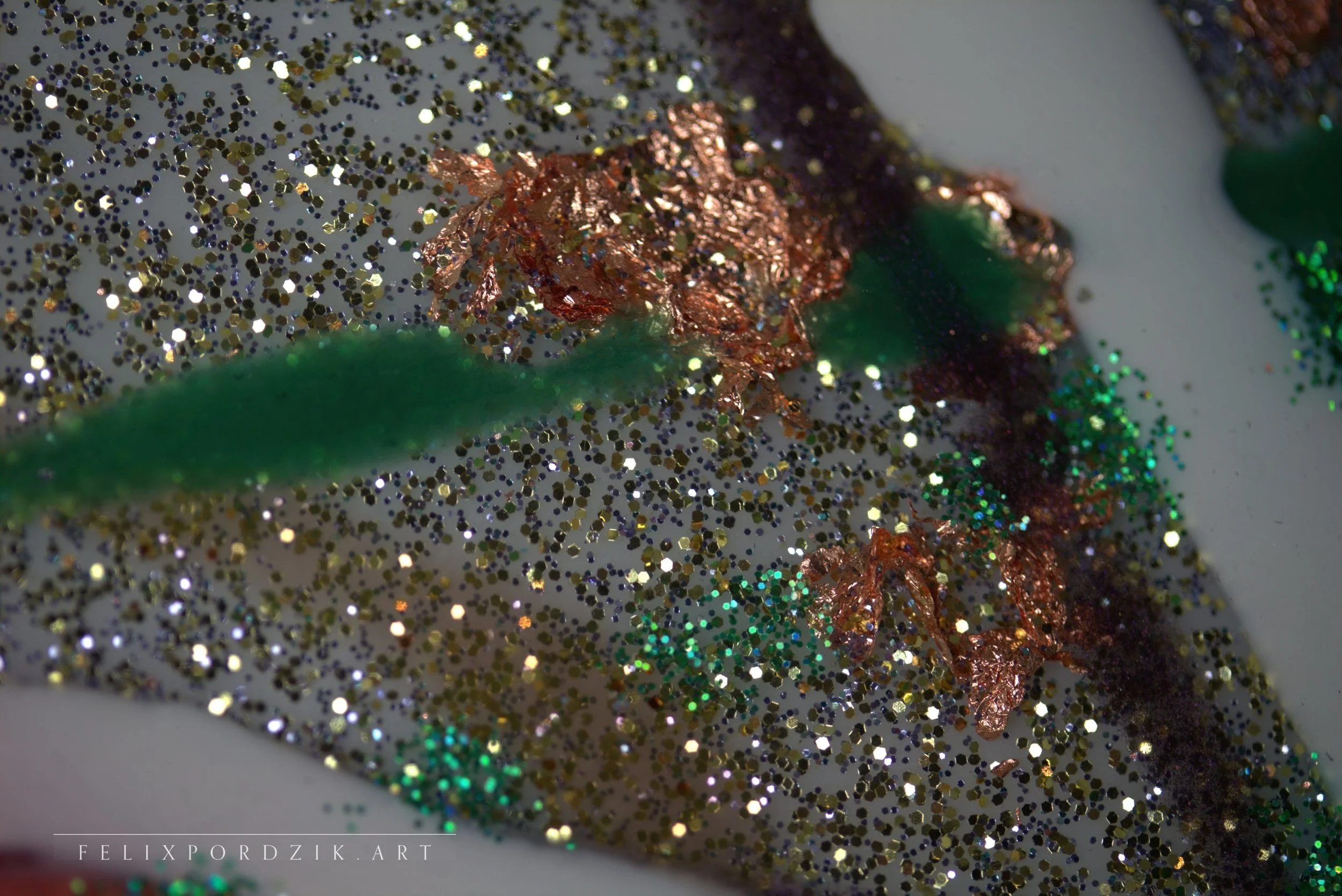
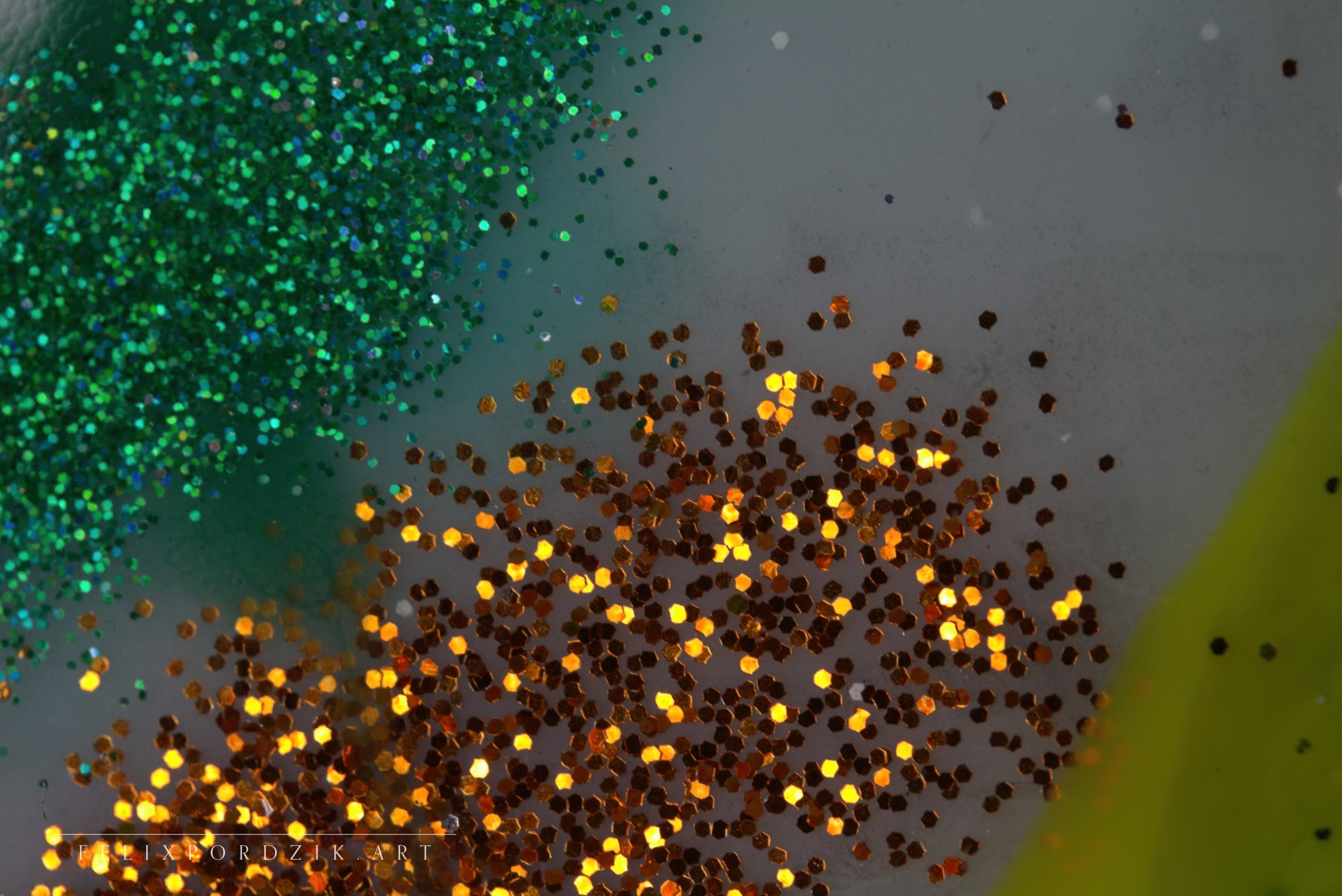
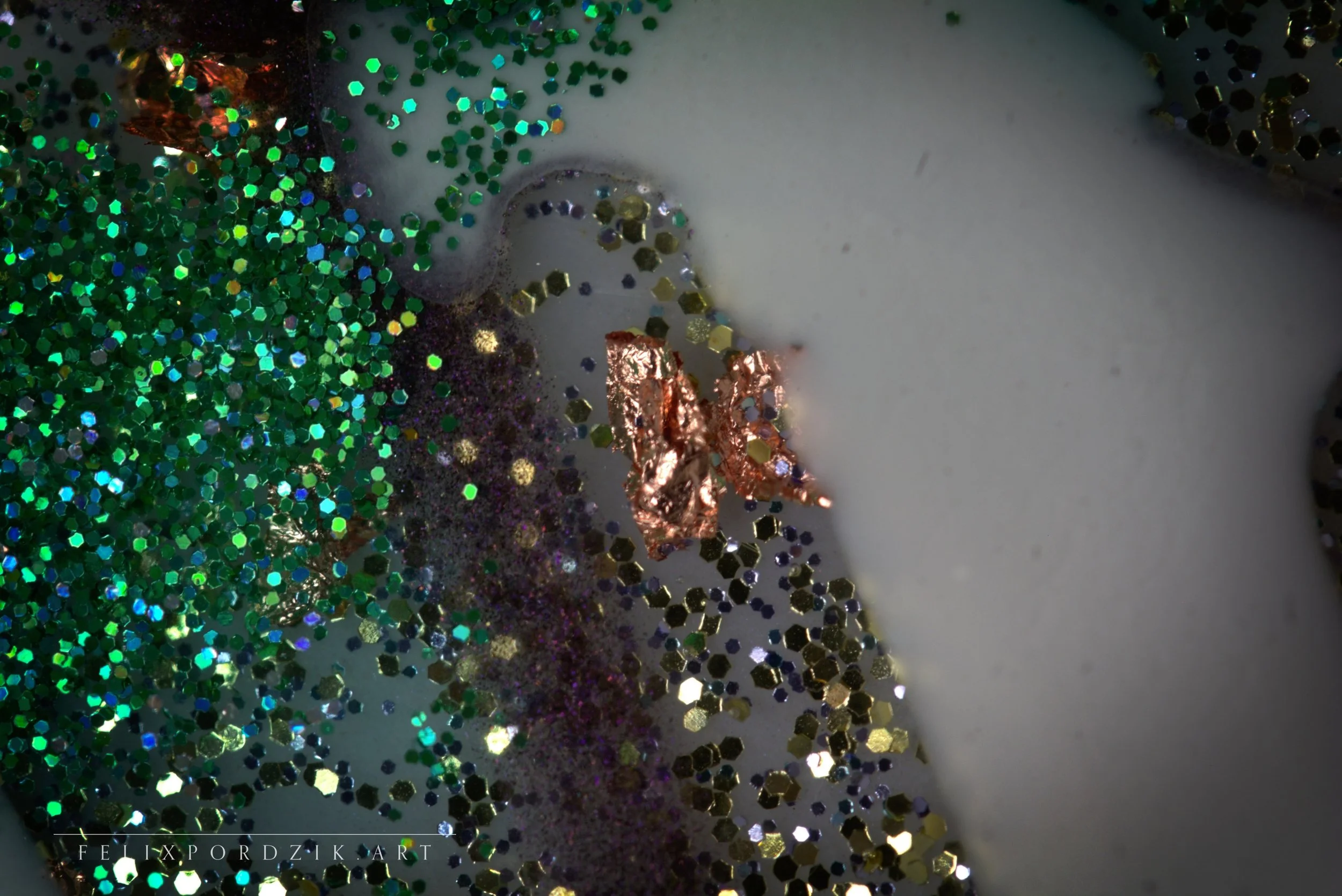
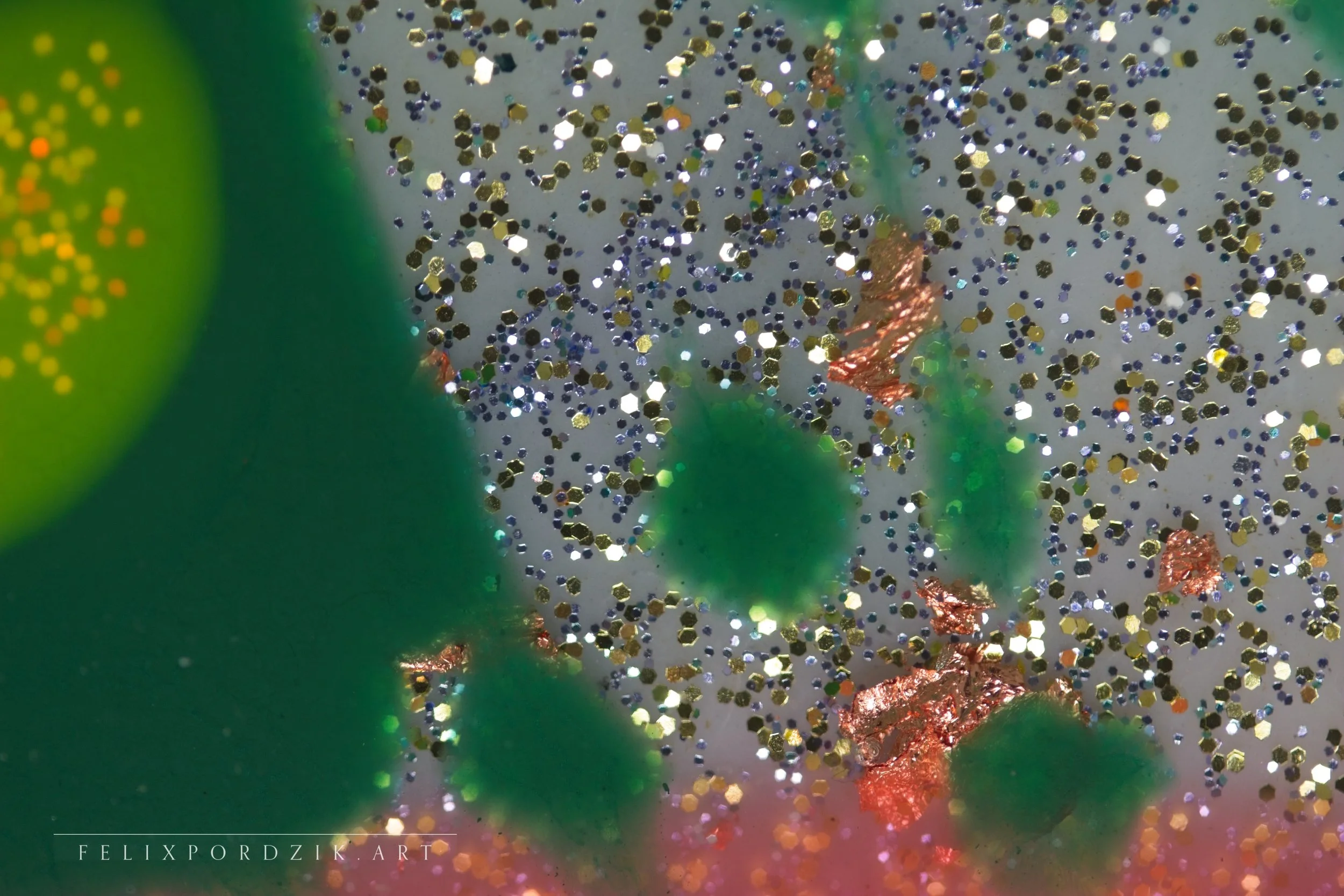
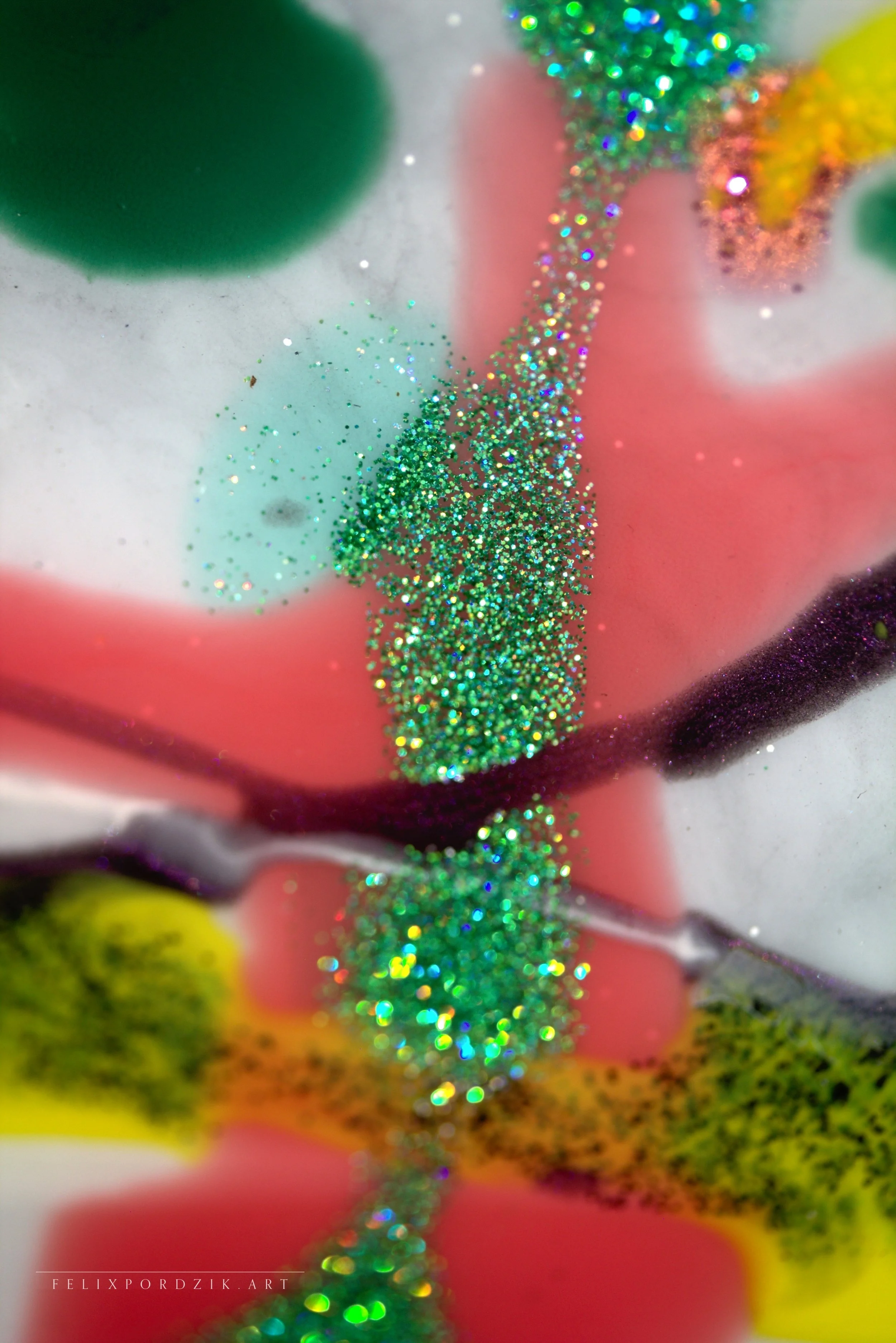
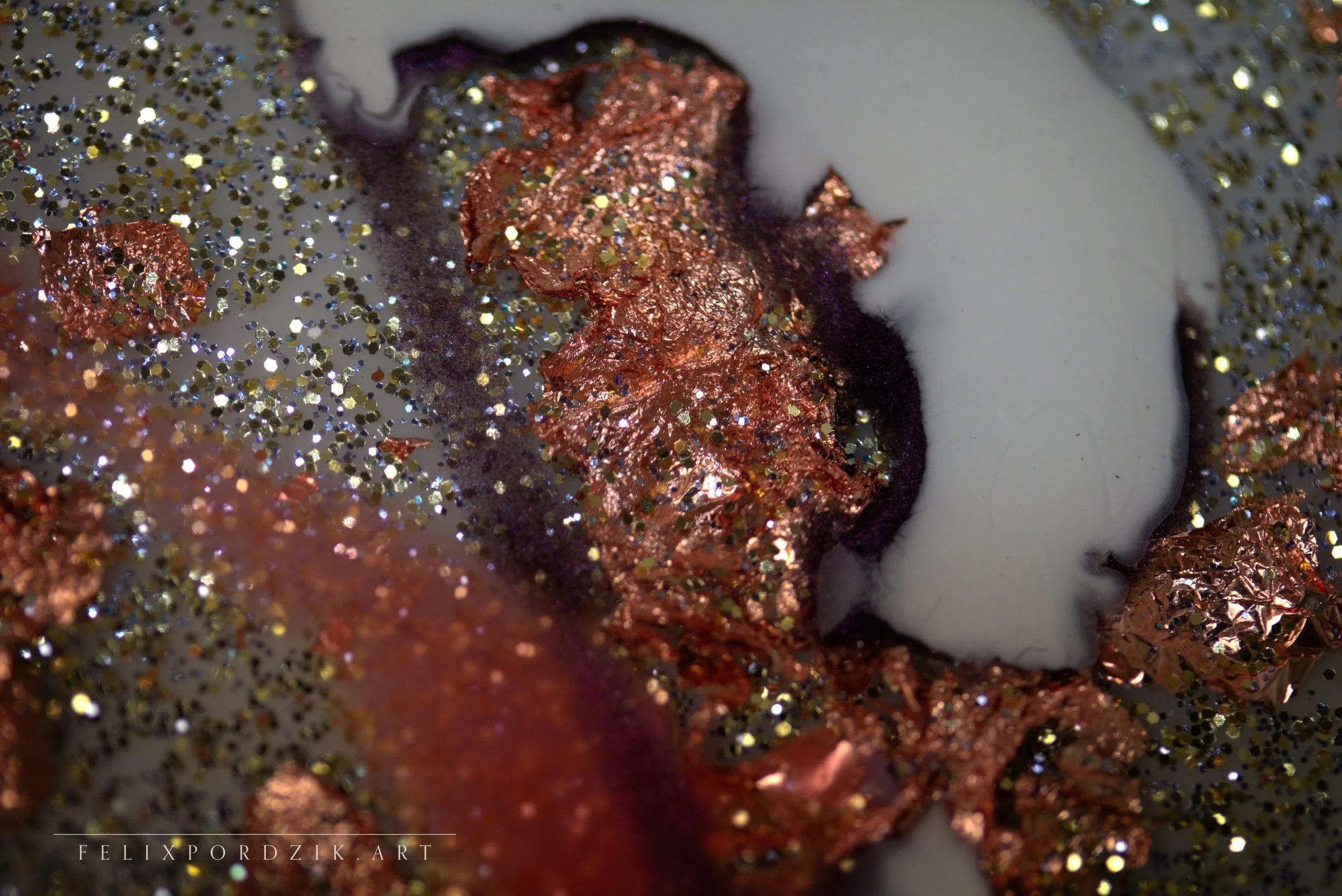
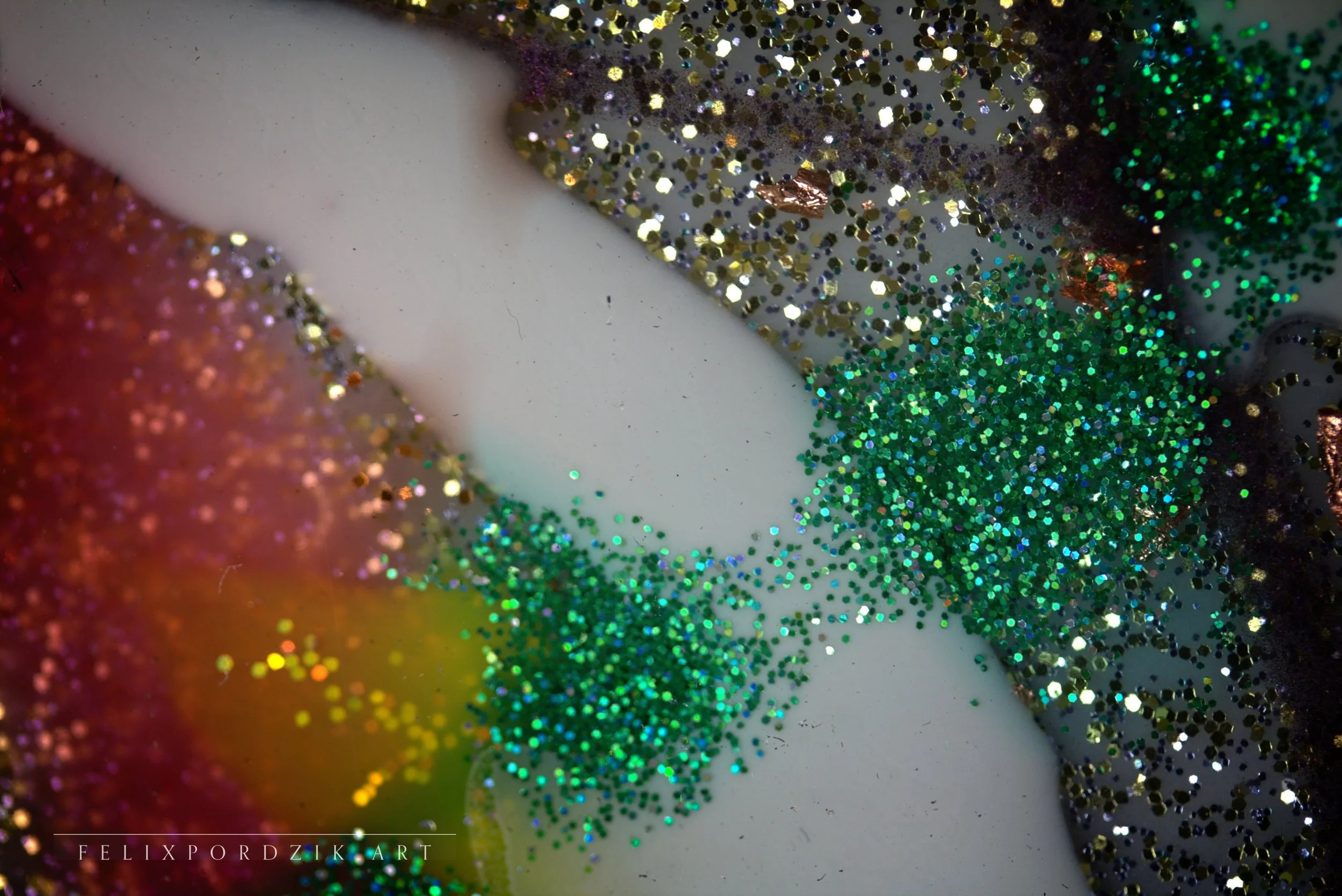
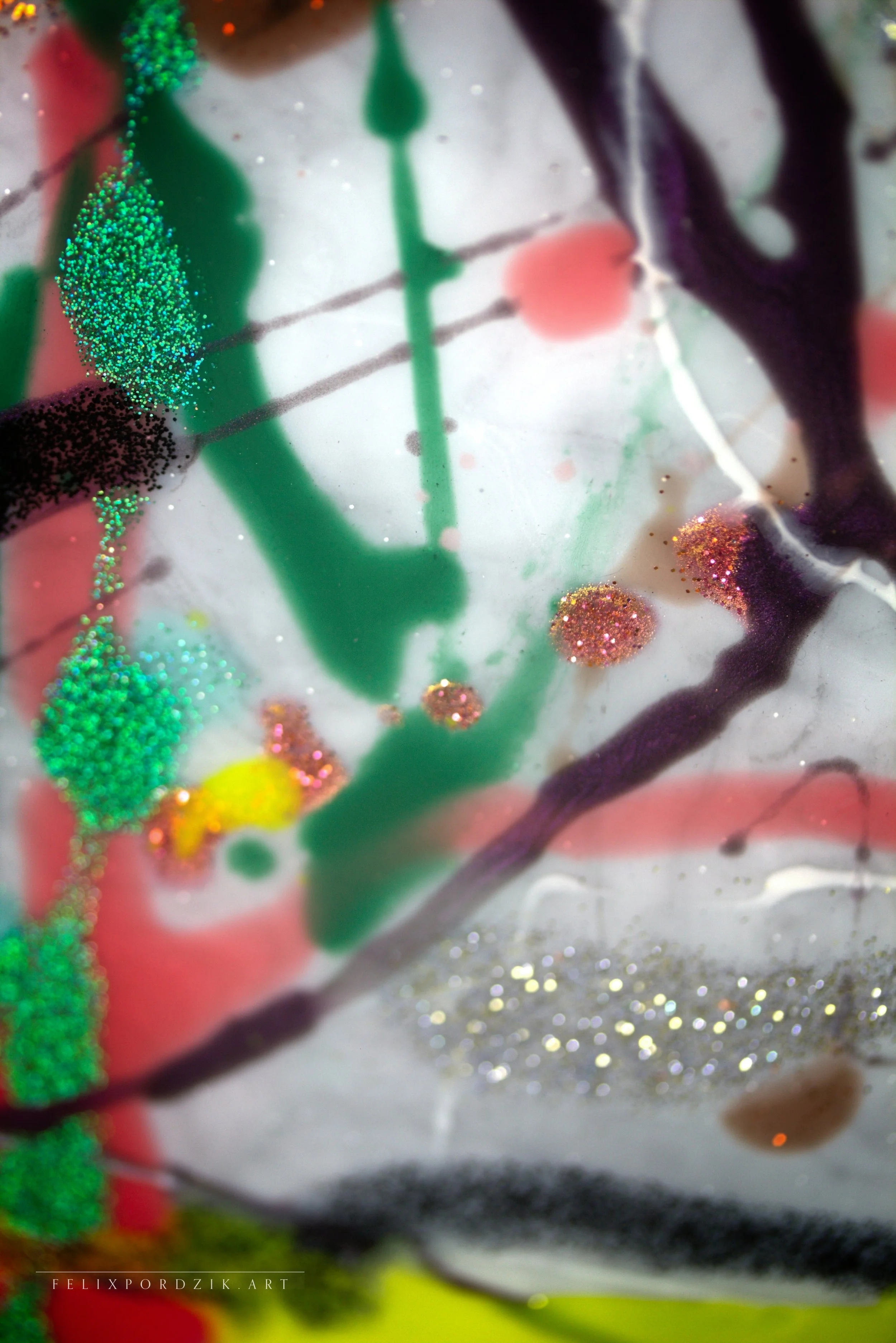
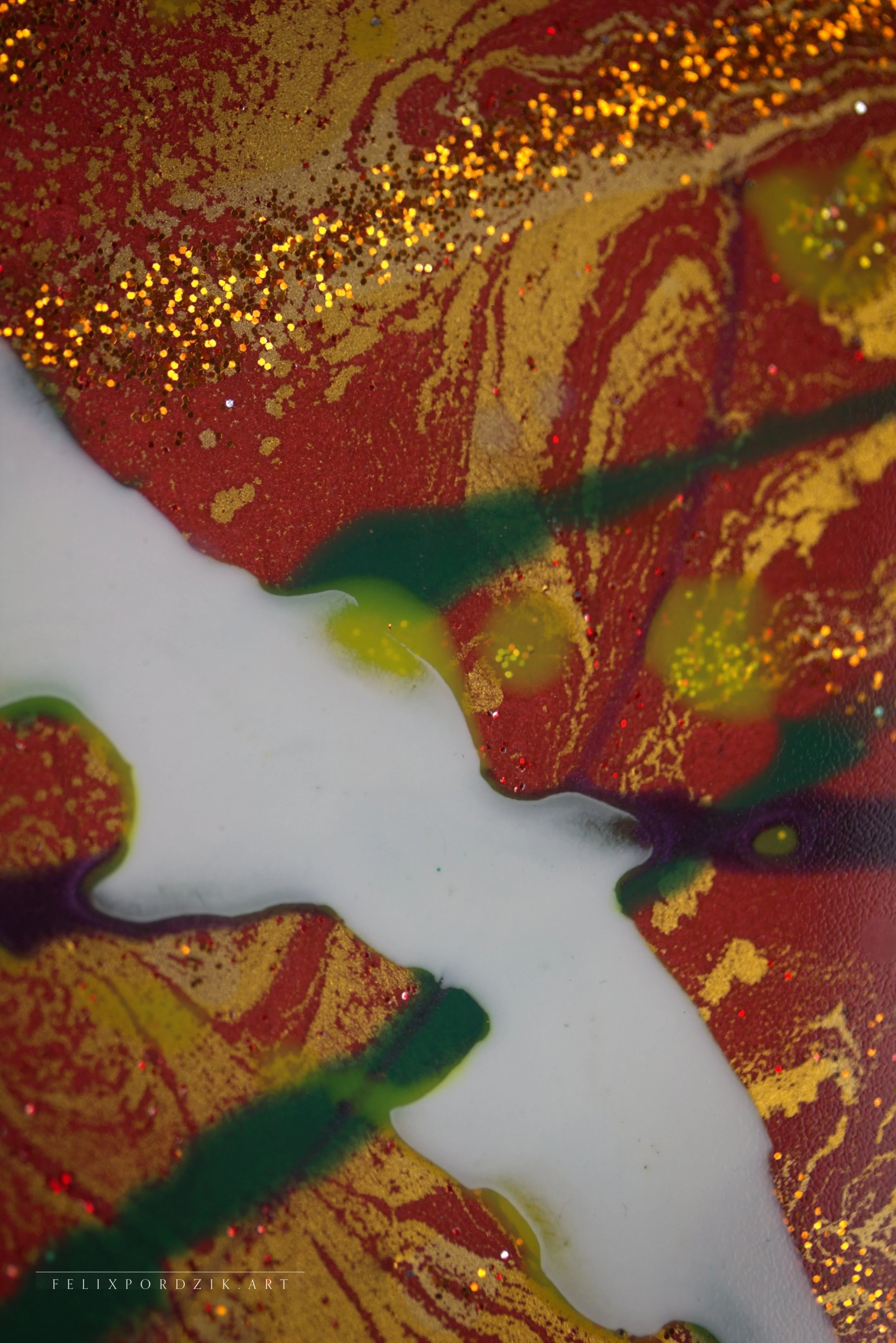
Through this meticulous process, a vibrant internal structure emerges inside the salamander’s body. Organic patterns, flowing pigments, and shimmering metallic accents create a dynamic surface that reflects the complexity and uniqueness of this rare amphibian. Each cavity was individually poured and refined, resulting in a highly tactile relief that combines technical precision with handcrafted detail.
The surrounding areas are filled with natural gravel, referencing the rocky riverbeds that form the natural habitat of Andrias japonicus. This material contrast between smooth resin surfaces and rough stone texture creates a dialogue between representation and environment, placing the artwork visually back into an ecological context.
As a result, Japanese Lurch becomes more than a depiction of a species. It is an exploration of form, material, and habitat — merging natural inspiration with contemporary craftsmanship while highlighting the fascinating presence of one of Japan’s most iconic and ancient amphibians.
Title: Japanese Lurch
Year: 2026
Material: MDF, Epoxy resin, pigments, gravel, acrylic paint, aluminium, wooden frame
Dimensions: 129 × 67 × 3 cm, Life-size representation
The artwork Japanese Lurch portrays the Andrias japonicus, the Japanese giant salamander, in a life-sized interpretation that bridges sculpture and painting. The entire silhouette of the animal was precisely carved into the surface, after which every detail was carefully filled by hand with layers of differently pigmented epoxy resin.
Through this meticulous process, a vibrant internal structure emerges inside the salamander’s body. Organic patterns, flowing pigments, and shimmering metallic accents create a dynamic surface that reflects the complexity and uniqueness of this rare amphibian. Each cavity was individually poured and refined, resulting in a highly tactile relief that combines technical precision with handcrafted detail.
The surrounding areas are filled with natural gravel, referencing the rocky riverbeds that form the natural habitat of Andrias japonicus. This material contrast between smooth resin surfaces and rough stone texture creates a dialogue between representation and environment, placing the artwork visually back into an ecological context.
As a result, Japanese Lurch becomes more than a depiction of a species. It is an exploration of form, material, and habitat — merging natural inspiration with contemporary craftsmanship while highlighting the fascinating presence of one of Japan’s most iconic and ancient amphibians.

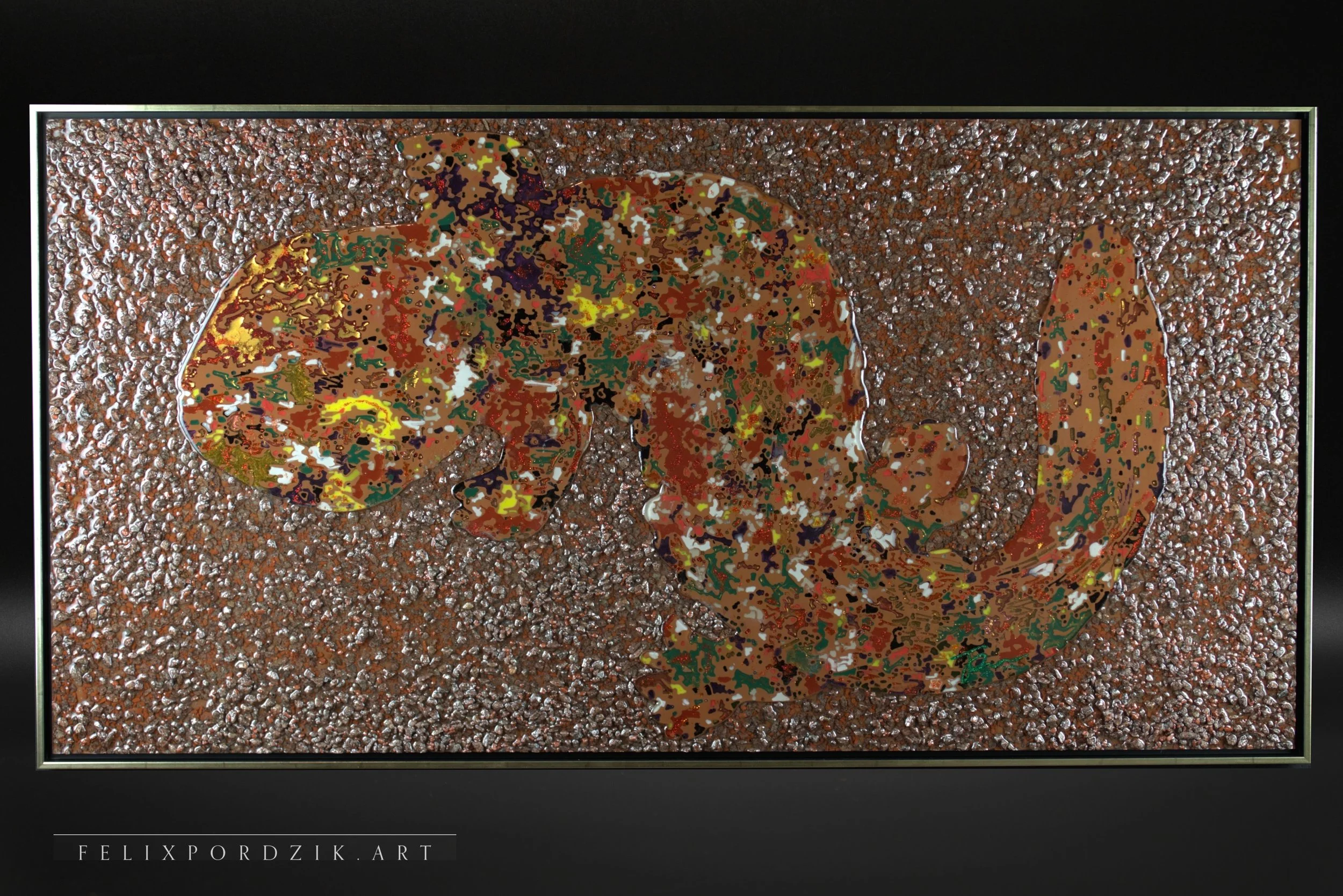 Image 1 of 15
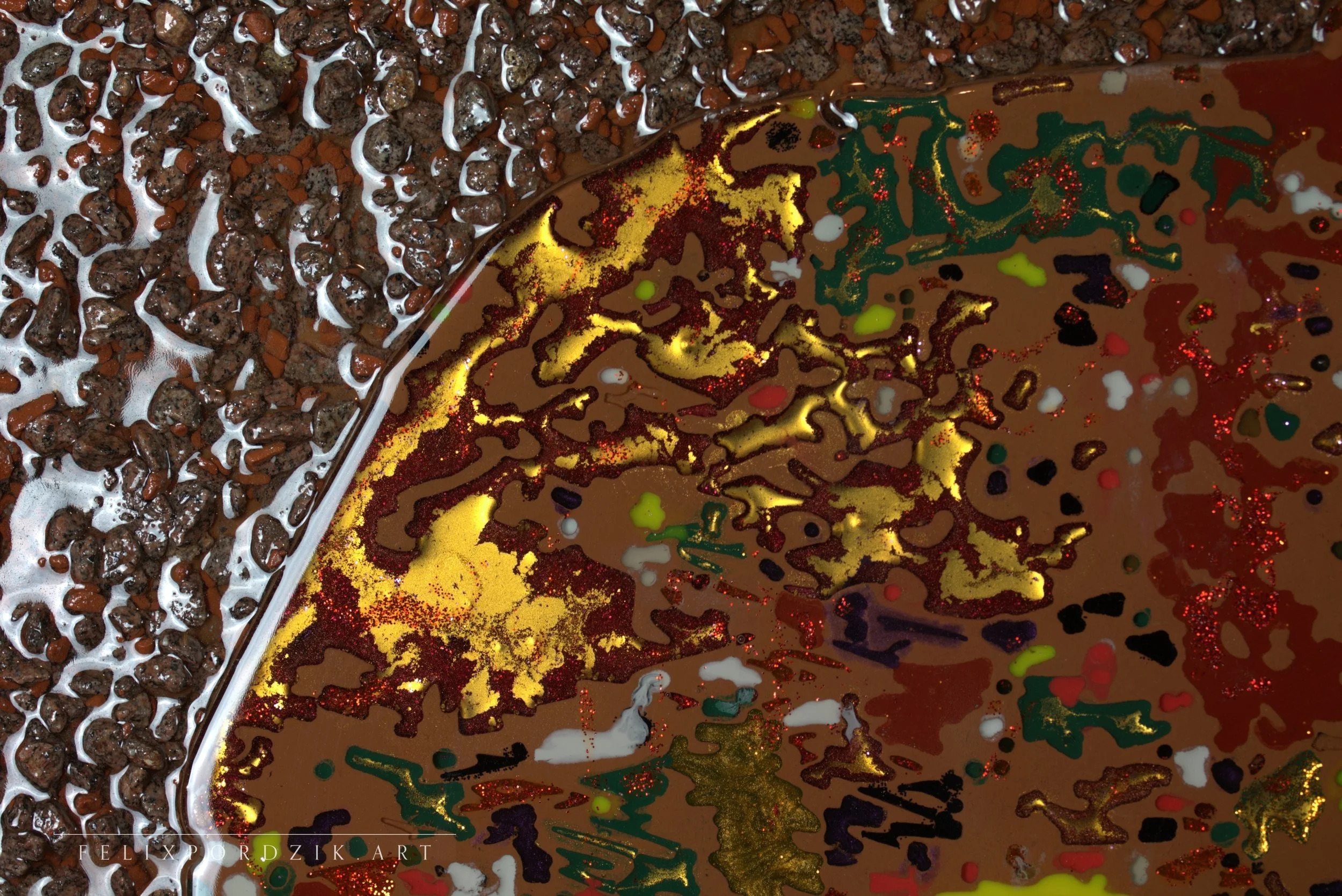 Image 2 of 15
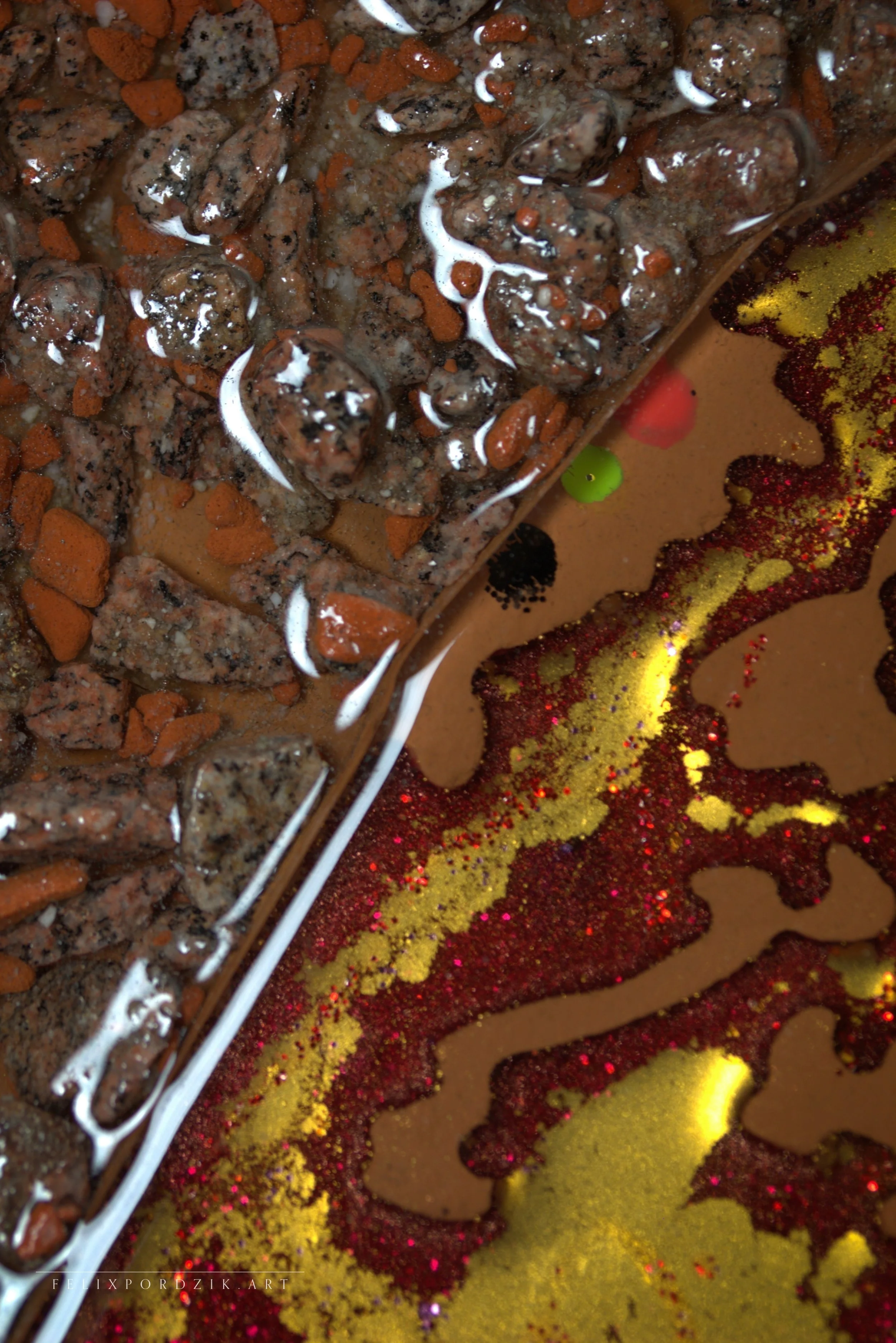 Image 3 of 15
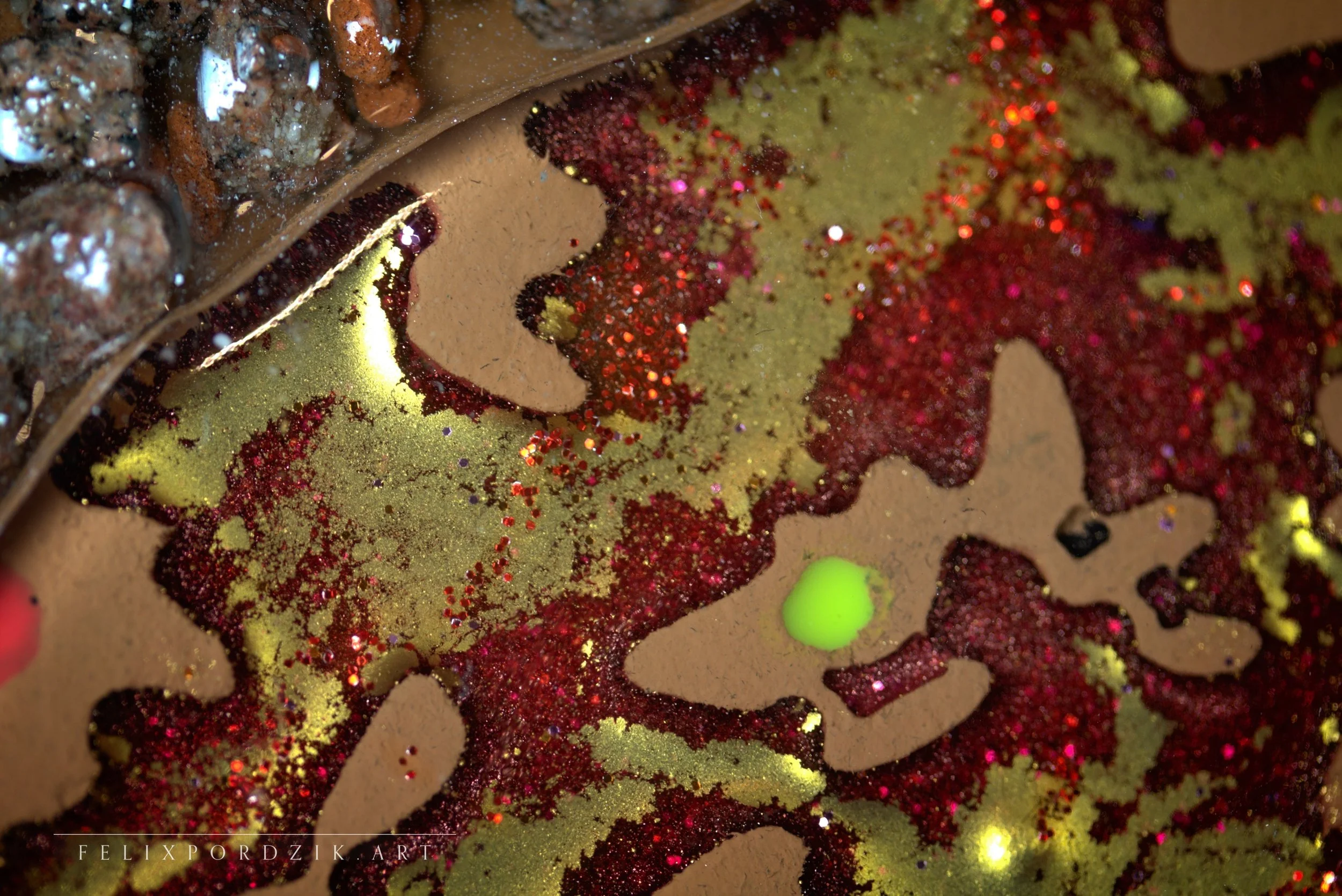 Image 4 of 15
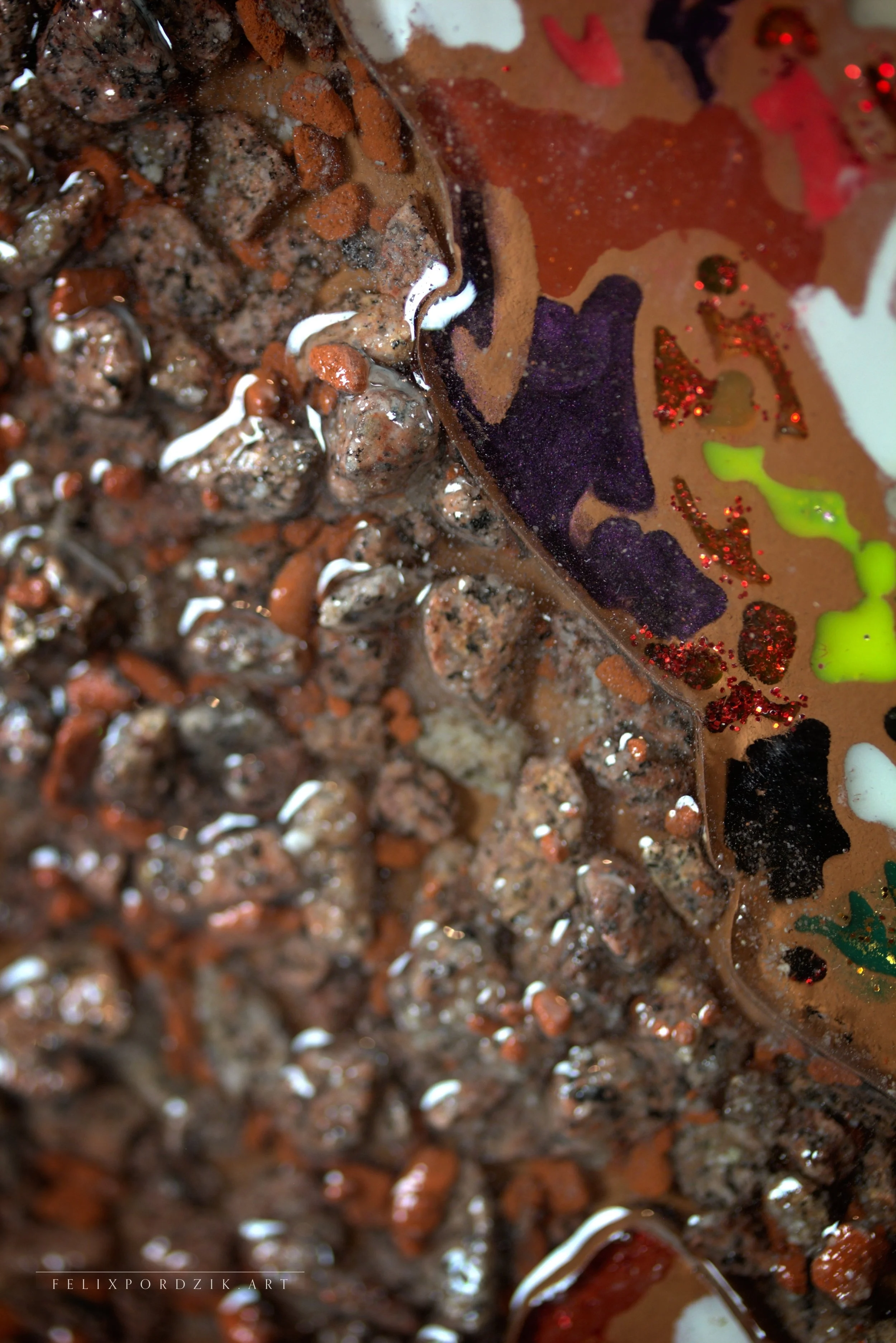 Image 5 of 15
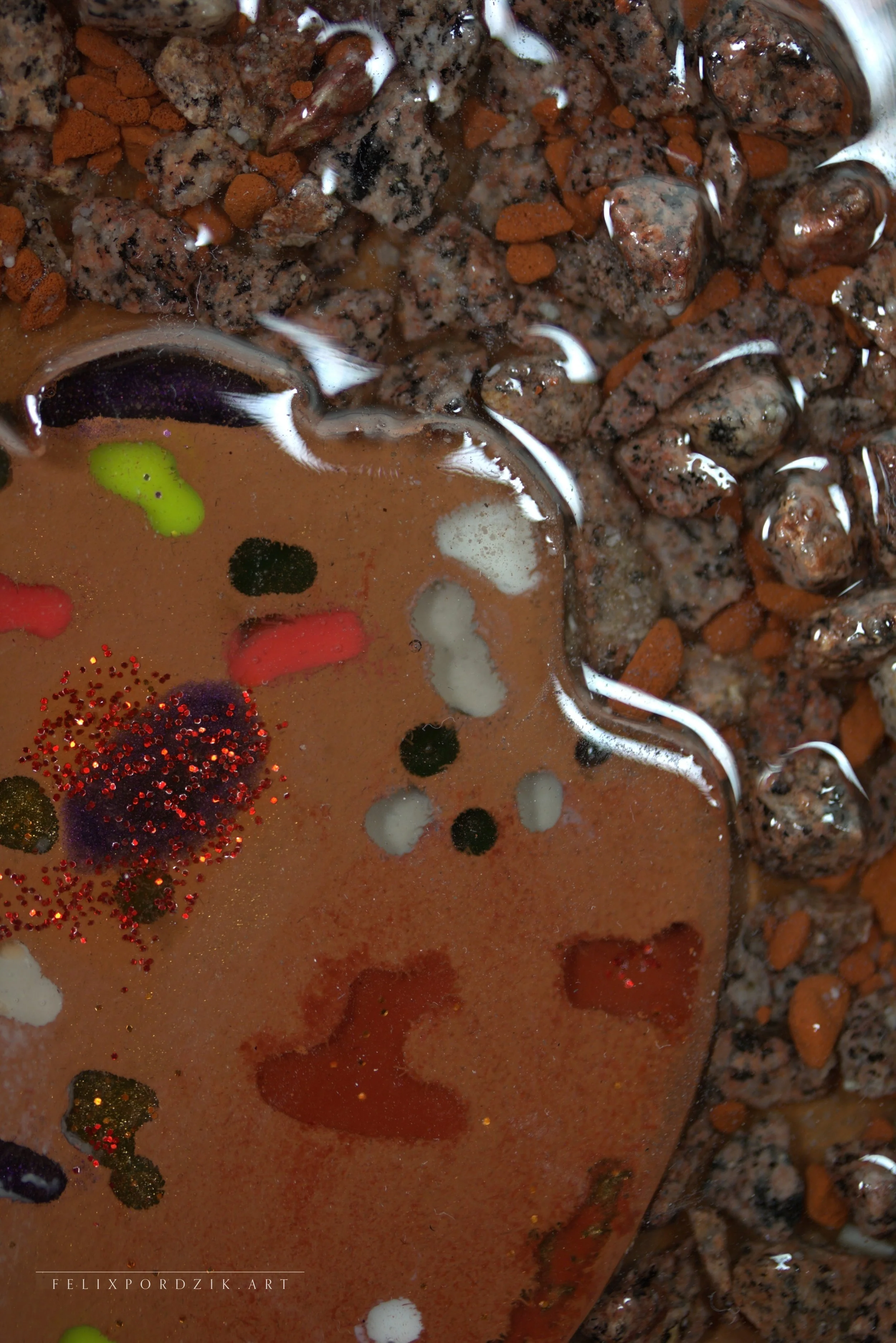 Image 6 of 15
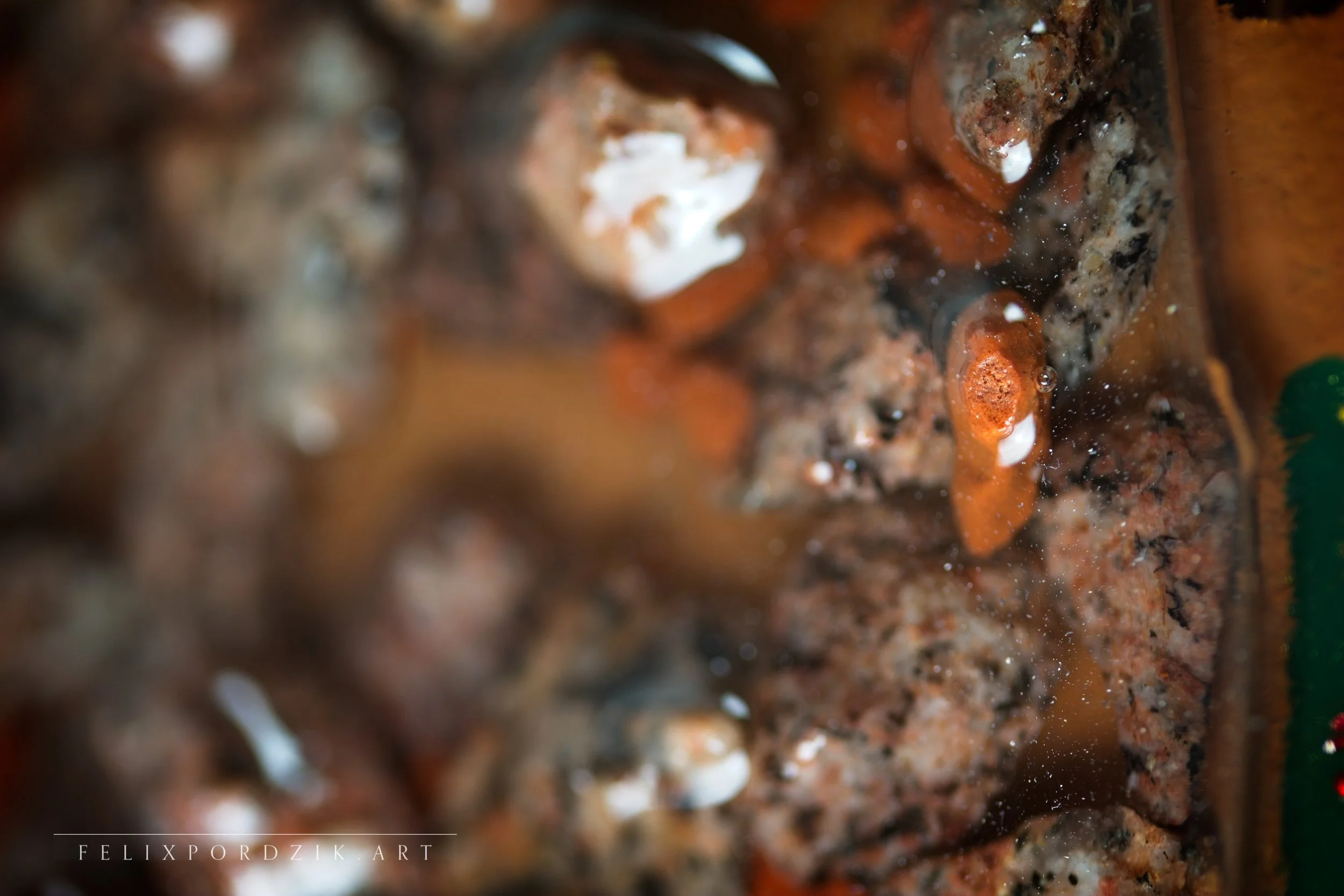 Image 7 of 15
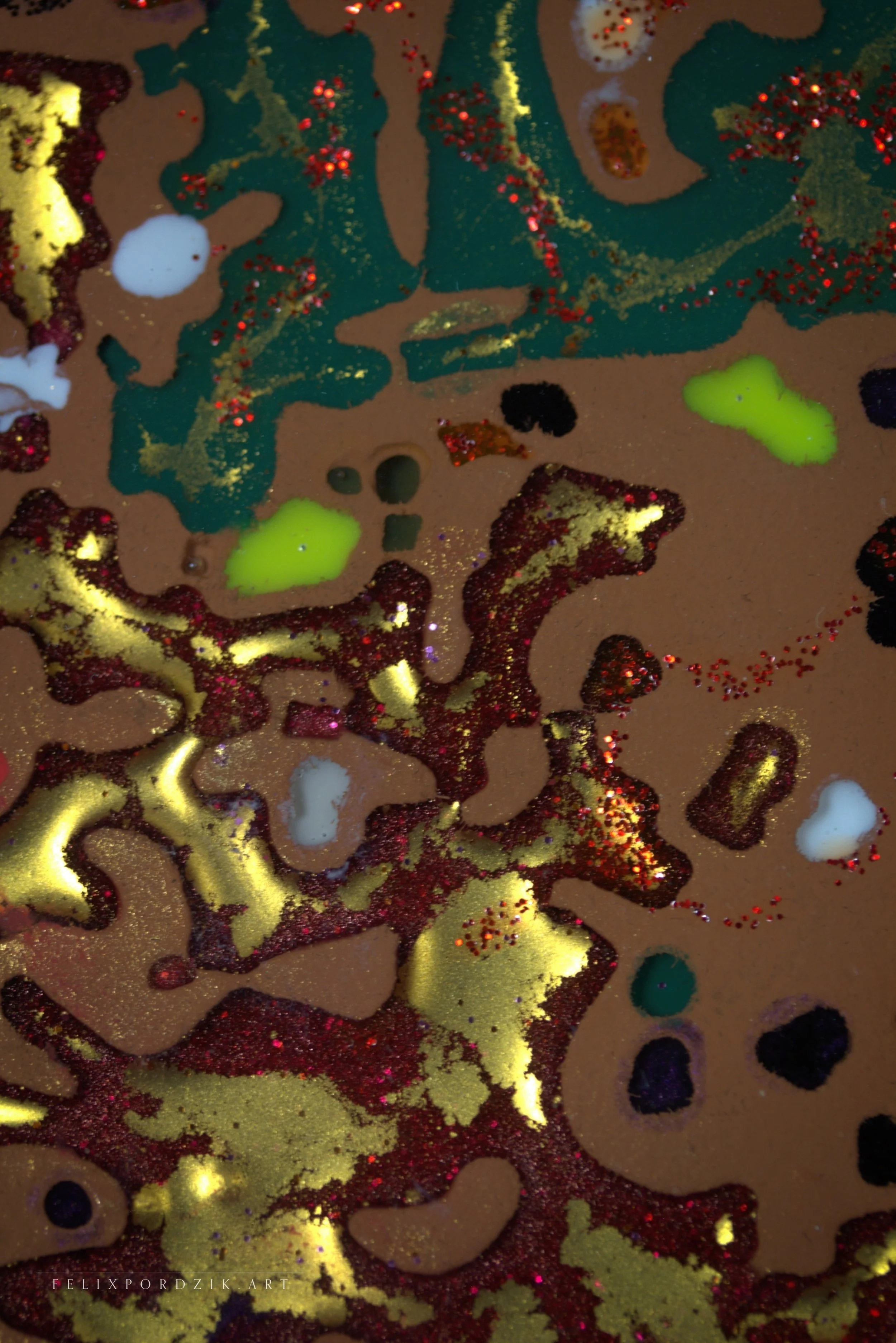 Image 8 of 15
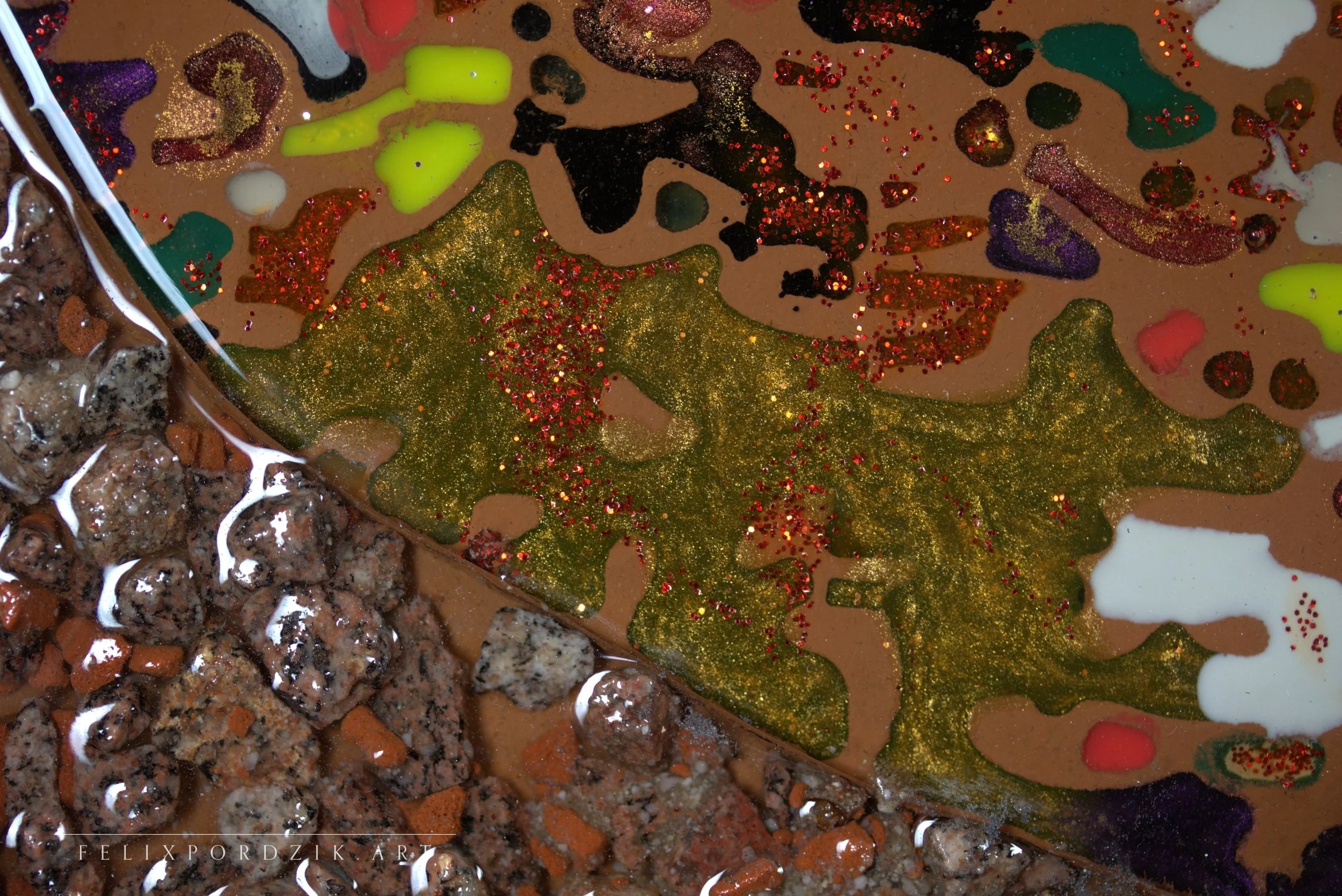 Image 9 of 15
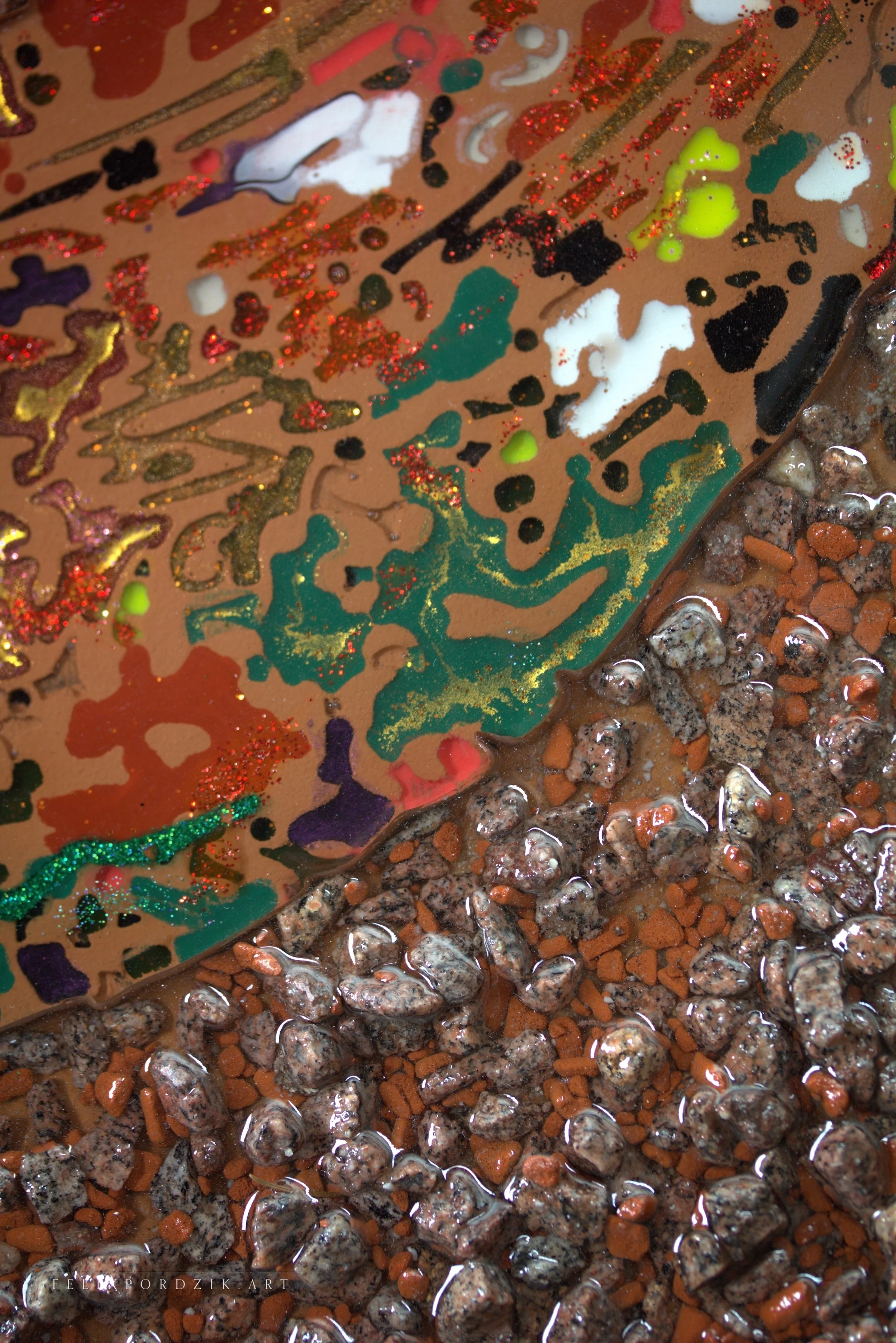 Image 10 of 15
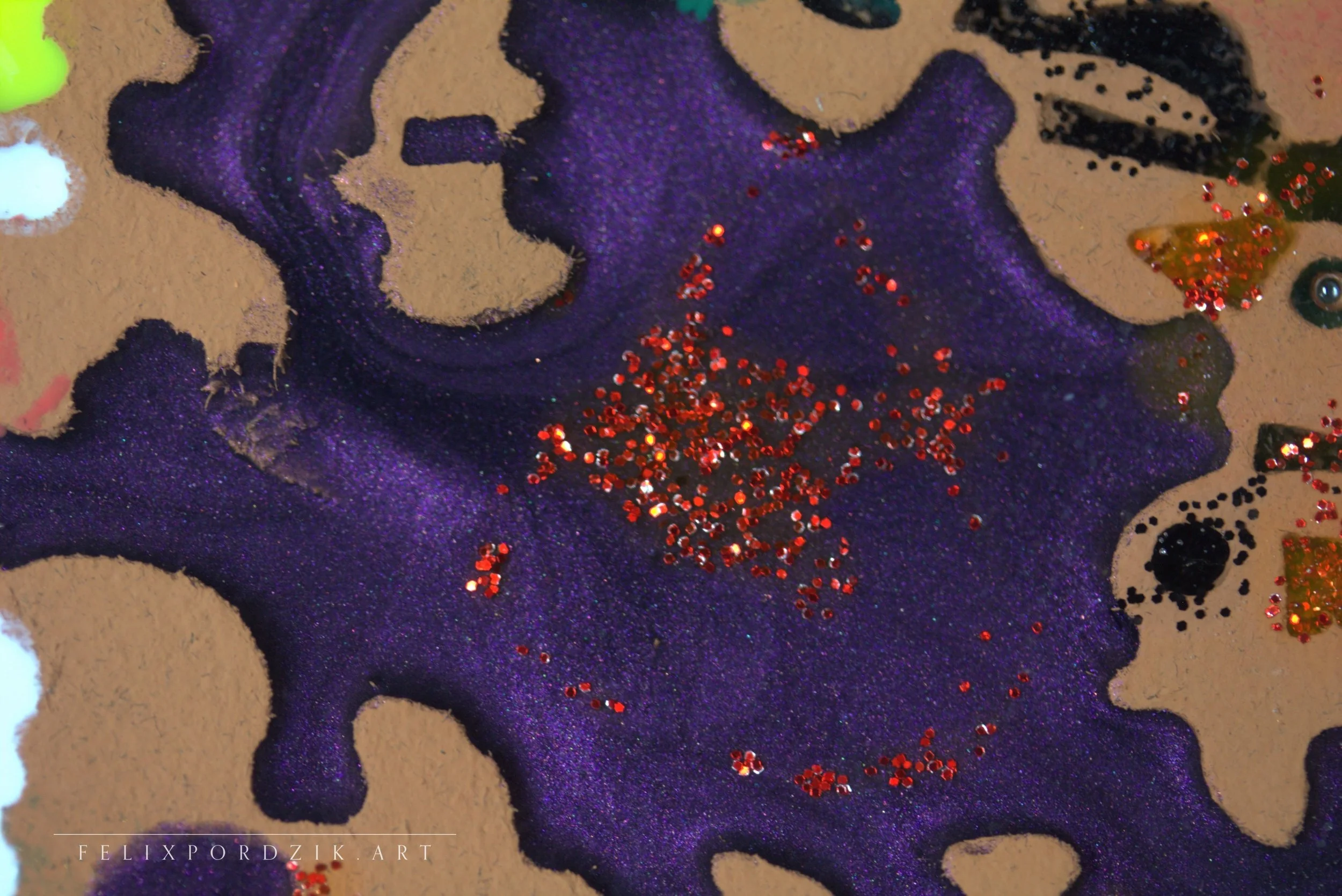 Image 11 of 15
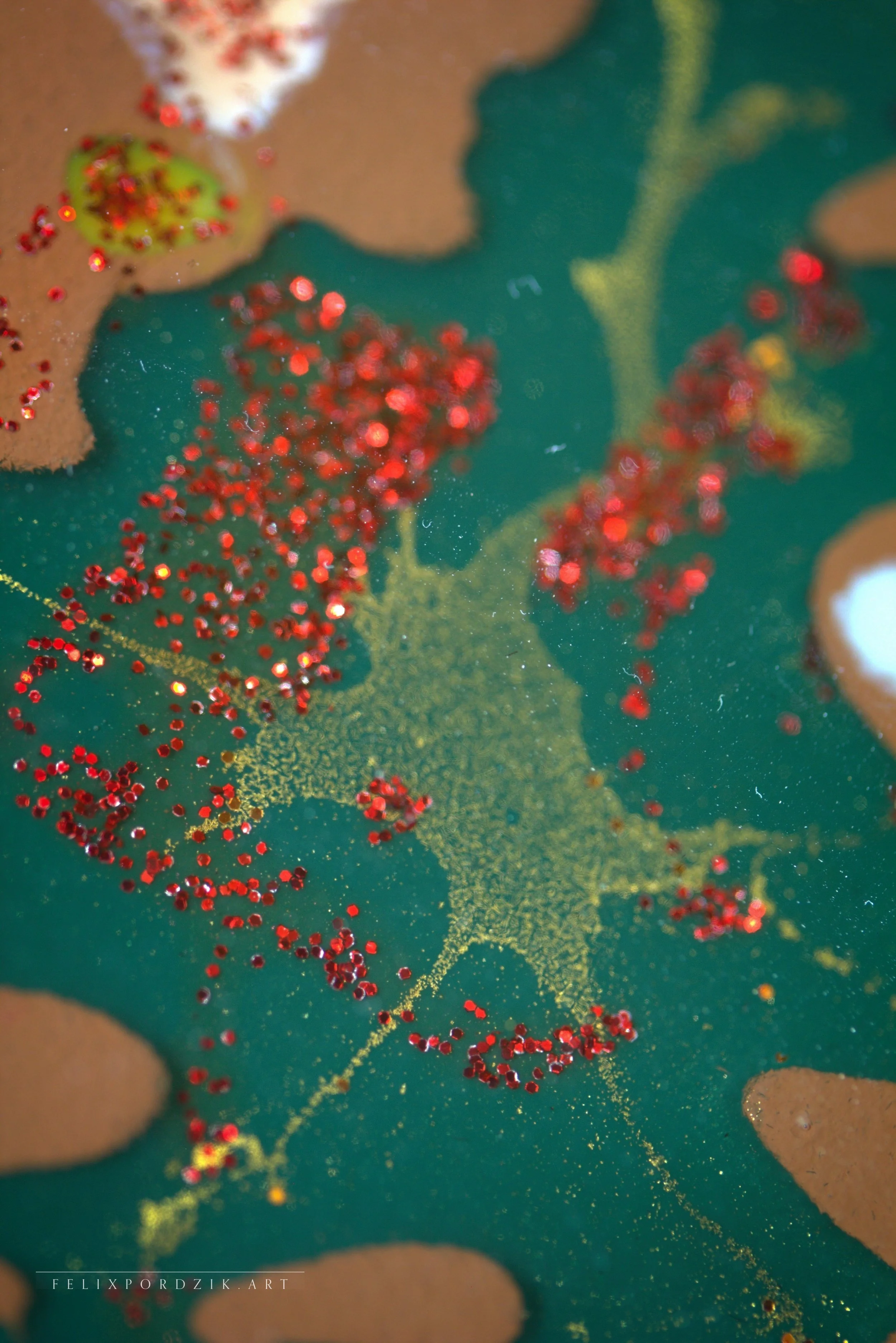 Image 12 of 15
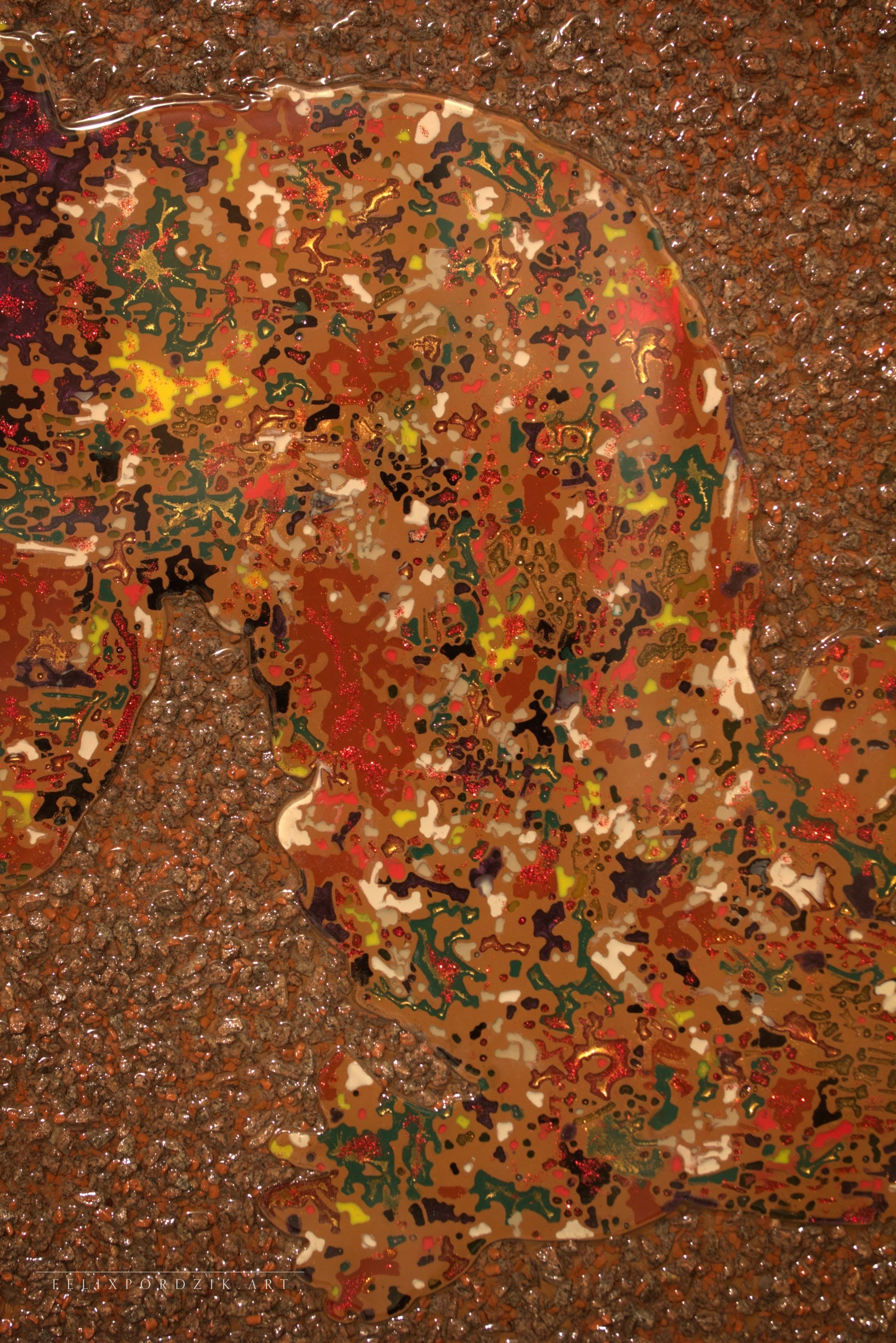 Image 13 of 15
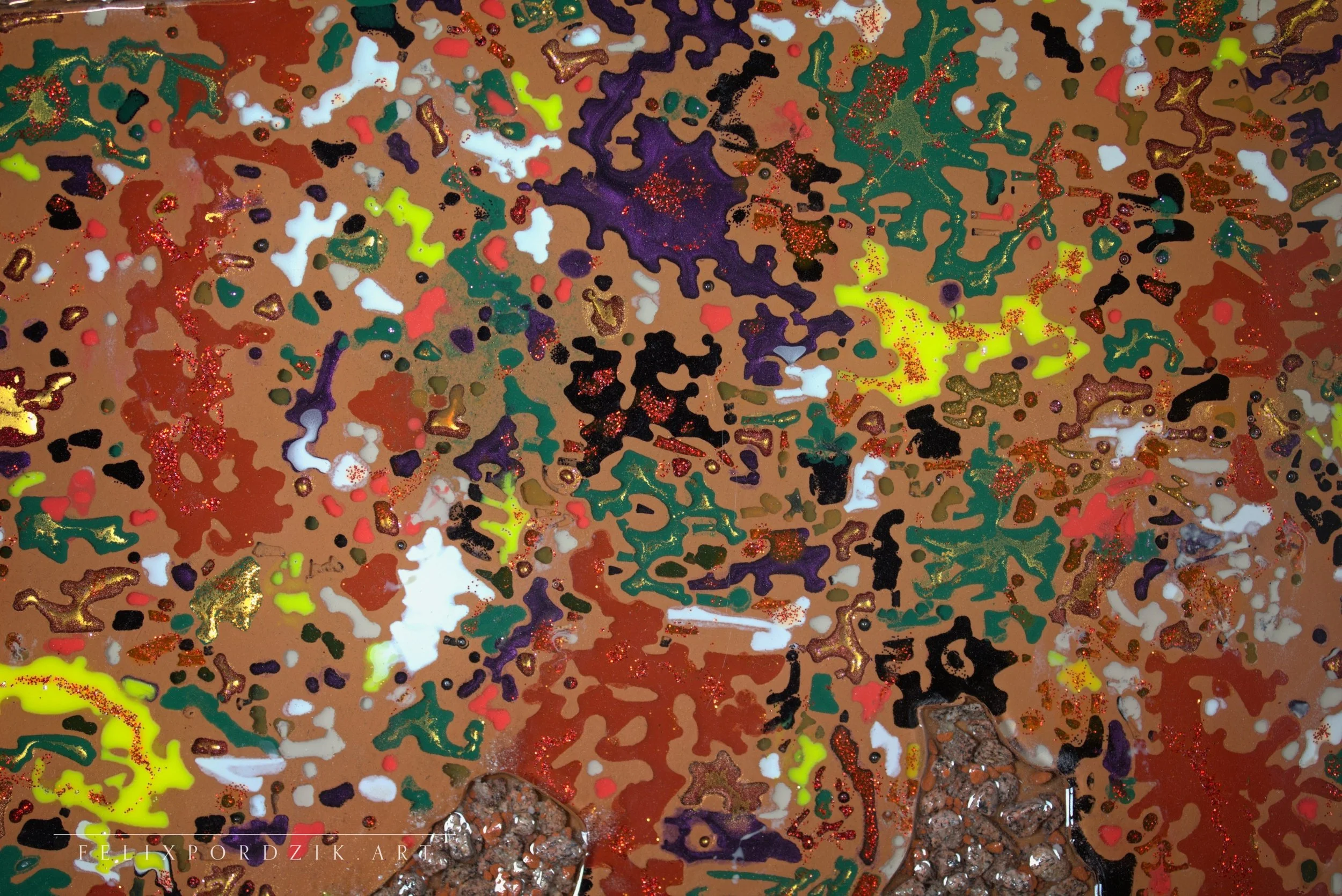 Image 14 of 15
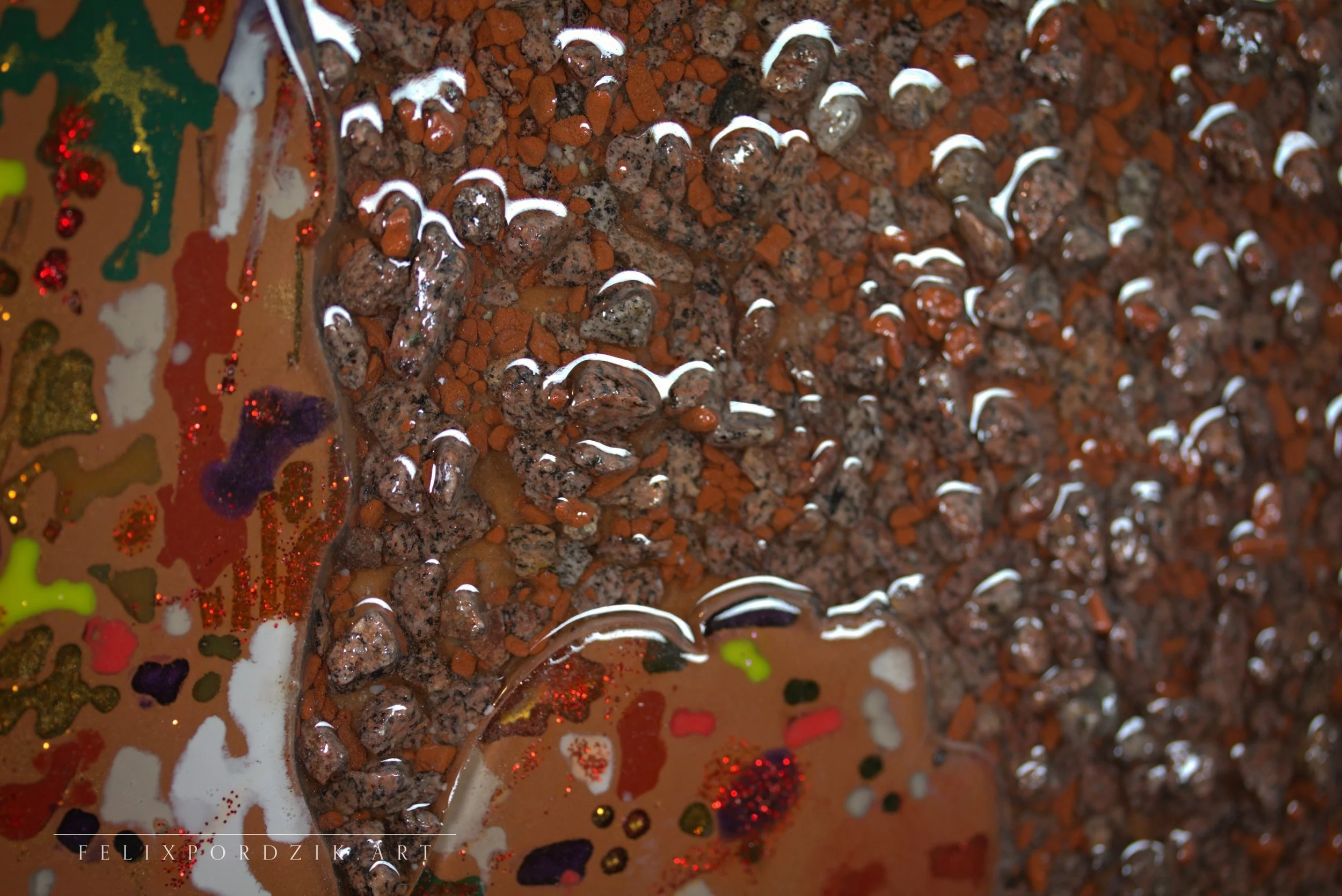 Image 15 of 15